
Salt River Canyon’s West Wall is the most requested boat dive on St. Croix. The West Wall is known as ‘The Pinnacles.’ The geological formations at this site are believed to have been formed by an ancient, above ground waterfall. As a result, these formations offer a maze of swim-throughs, cuts, ledges, overhangs, recesses and sand chutes to be explored.
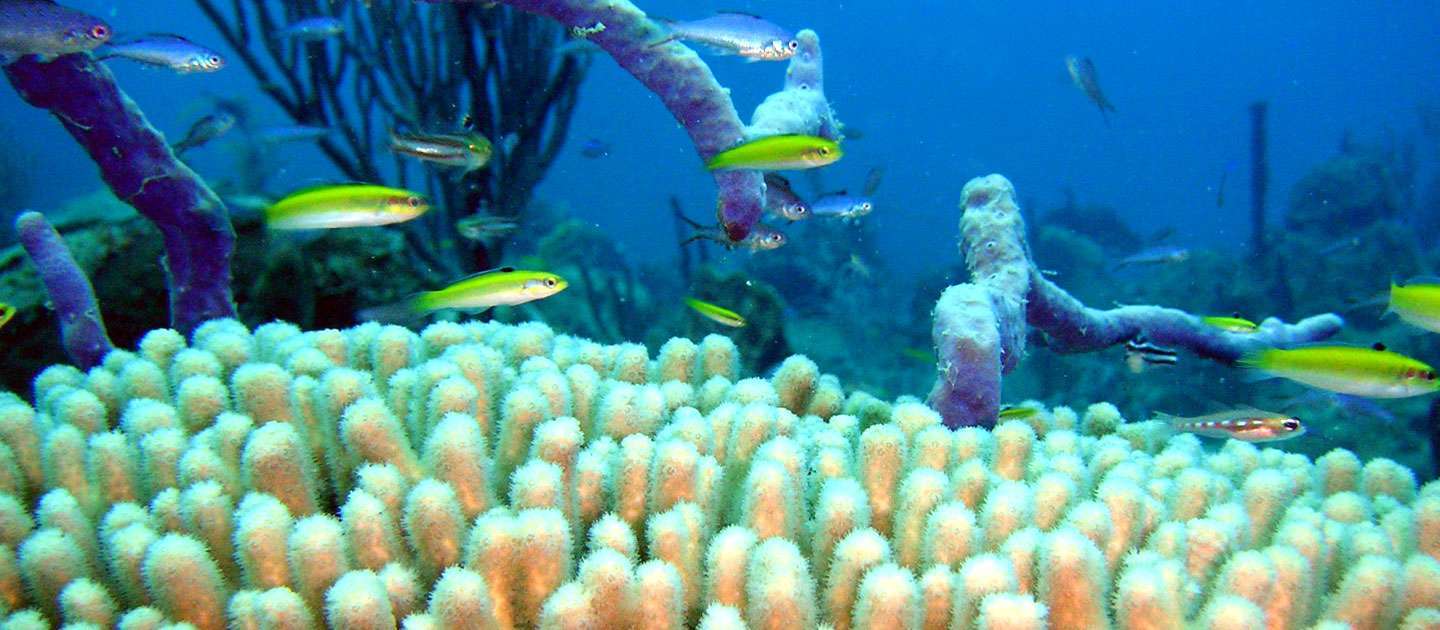
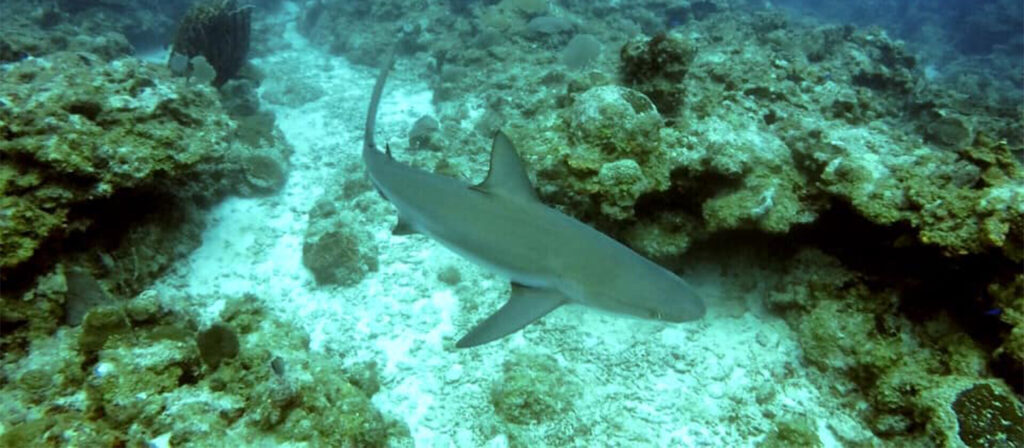
At this site you will likely see rays gliding around the coral pinnacles. Meanwhile, schools of creole wrasse, black durgeon, and squirrelfish can be found under ledges and swimming off the edge of The Wall. As you descend, you will find jacks, large groupers, permits, barracudas, as well as large pelagic sea life such as sharks. While there is a seeming endless amount of fish to see, don’t overlook the geological formations of the canyon itself.
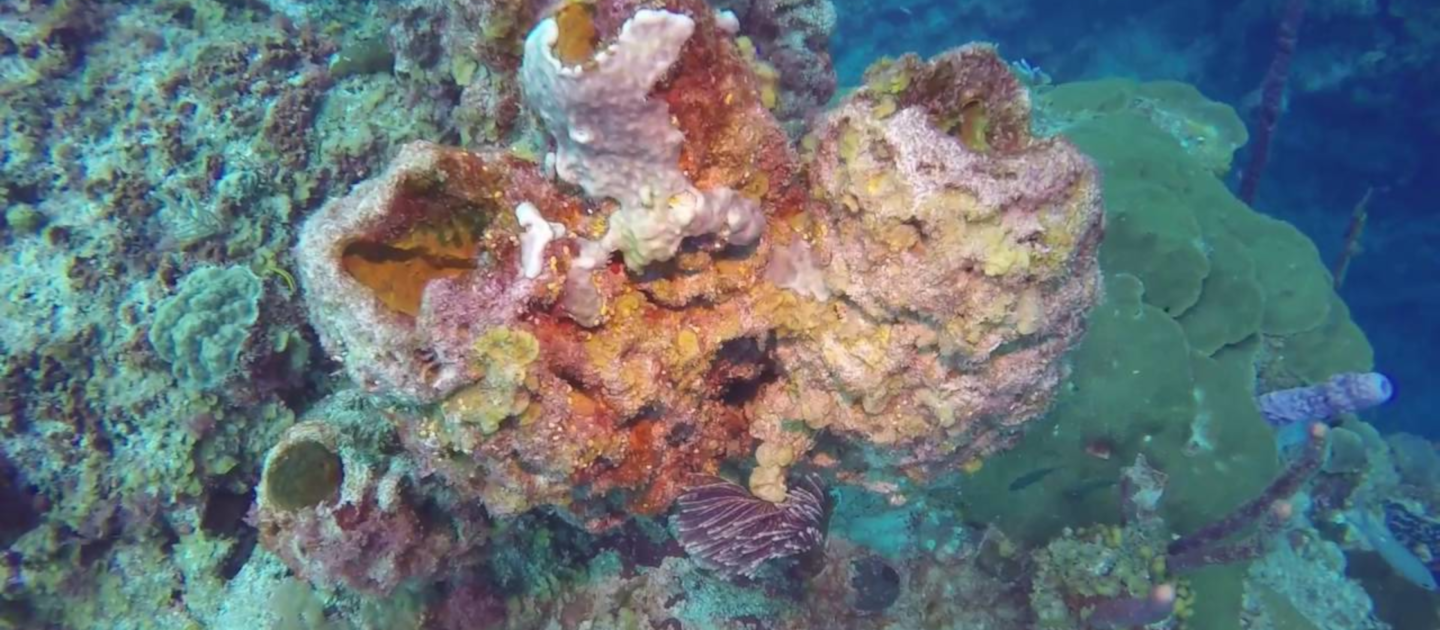
There are few dive sites in the world that offer the unique topography you can find here on the West Wall. The Salt River Canyon is formed by the remains of an ancient river and waterfall. These features formed a deep ‘V’ in the wall of the Puerto Rico Trench. This trench runs just off of the island’s North Shore. The East Wall and West Wall of the canyon are only a quarter of a mile apart. However, they are separated by a chasm thousands of feet deep. In addition, they offer two distinct diving experiences.
GENERAL LOCATION
Just outside of Salt River Bay off of North Shore Road (Route 80), in Salt River Bay National Park & Ecological Preserve.
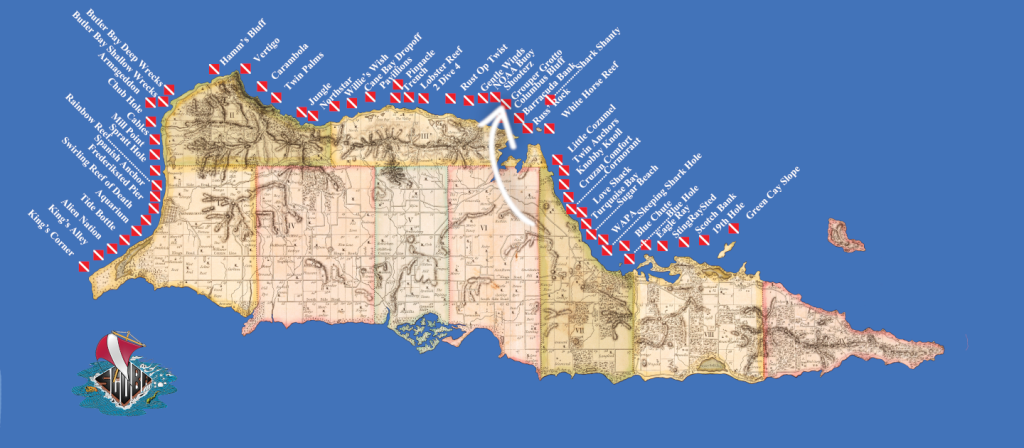
ACCESS TO DIVE SITE
This dive site must be accessed by boat.
DEPTH AND TYPICAL CONDITIONS
Salt River Canyon’s West Wall has a mooring which lies in about 20 feet of water, but has almost a sheer drop to 200 feet, then to 500 feet, and then down The Wall to 4,000 foot depths.
Average visibility is 60-80 feet, up to 100 feet. The water can be choppy at the surface. Also, some surge and current can be present, especially where The Wall turns the corner into the canyon.
WHAT YOU’LL SEE
At this site you will likely see rays gliding around the coral pinnacles. In addition, schools of creole wrasse, black durgeon, and squirrelfish can be found under ledges and swimming off the edge of The Wall. As you descend, you will find jacks, large groupers, permits, barracudas, as well as large pelagic sea life such as sharks. While there is a seeming endless amount of fish to see, don’t overlook the geological formations of the canyon itself. There are few dive sites in the world that offer the unique topography you can find here on the West Wall.
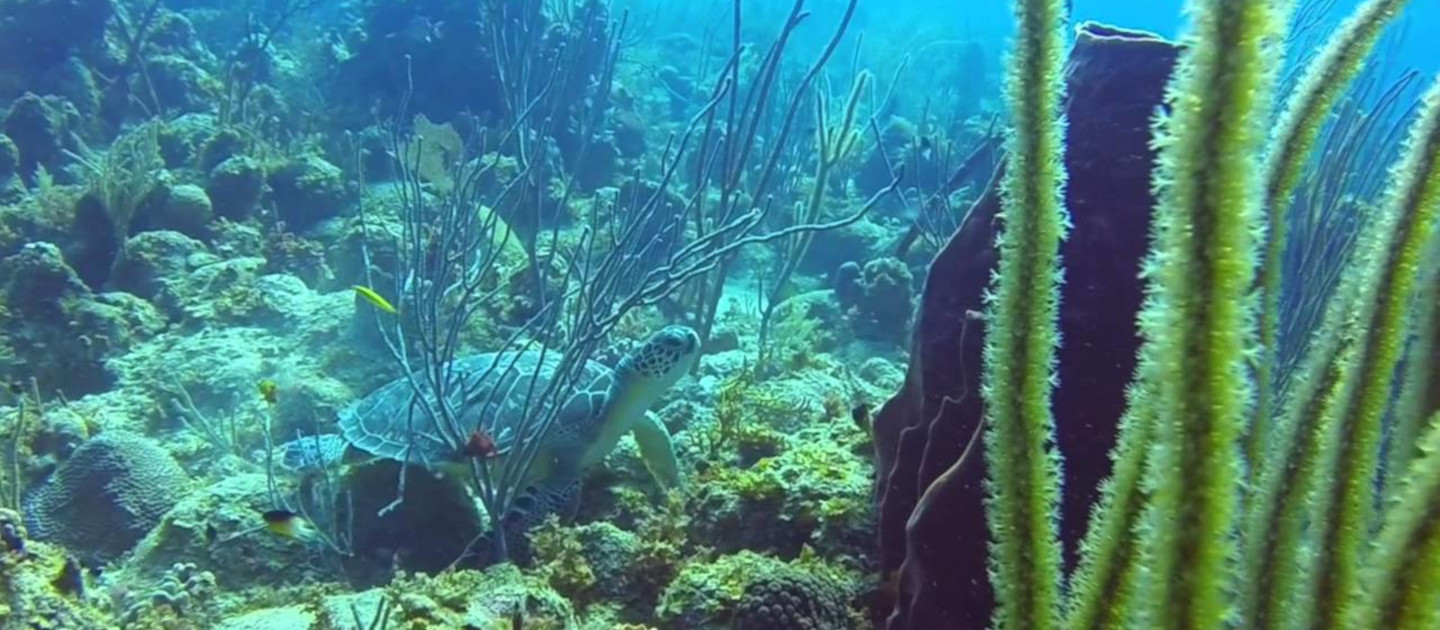
When diving the canyon, you may also see diver favorites such as sea turtles, spotted eagle rays, and dolphins. If you are lucky enough to be here in February or March, you may even be serenaded by the humpback whales’ song. This happens as they migrate along the Puerto Rio Trench. If you are an underwater photographer, make sure to take your camera on this dive!



