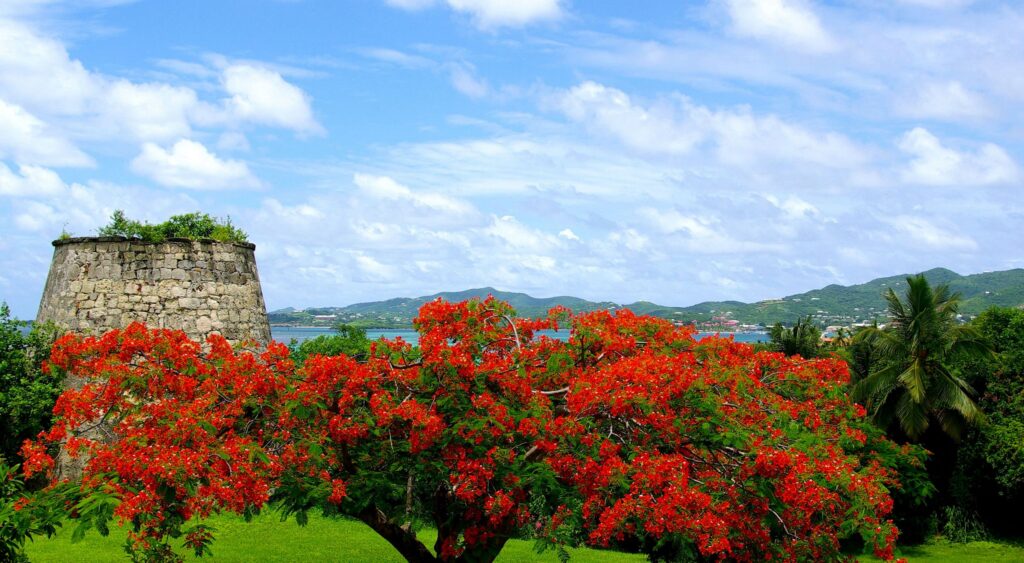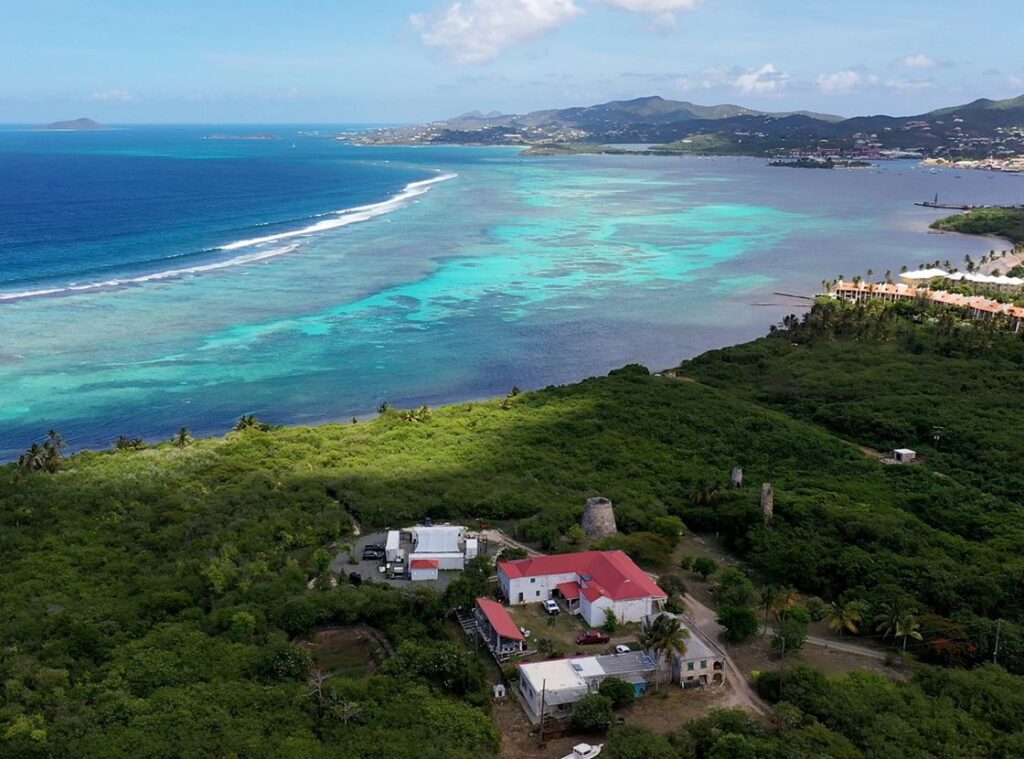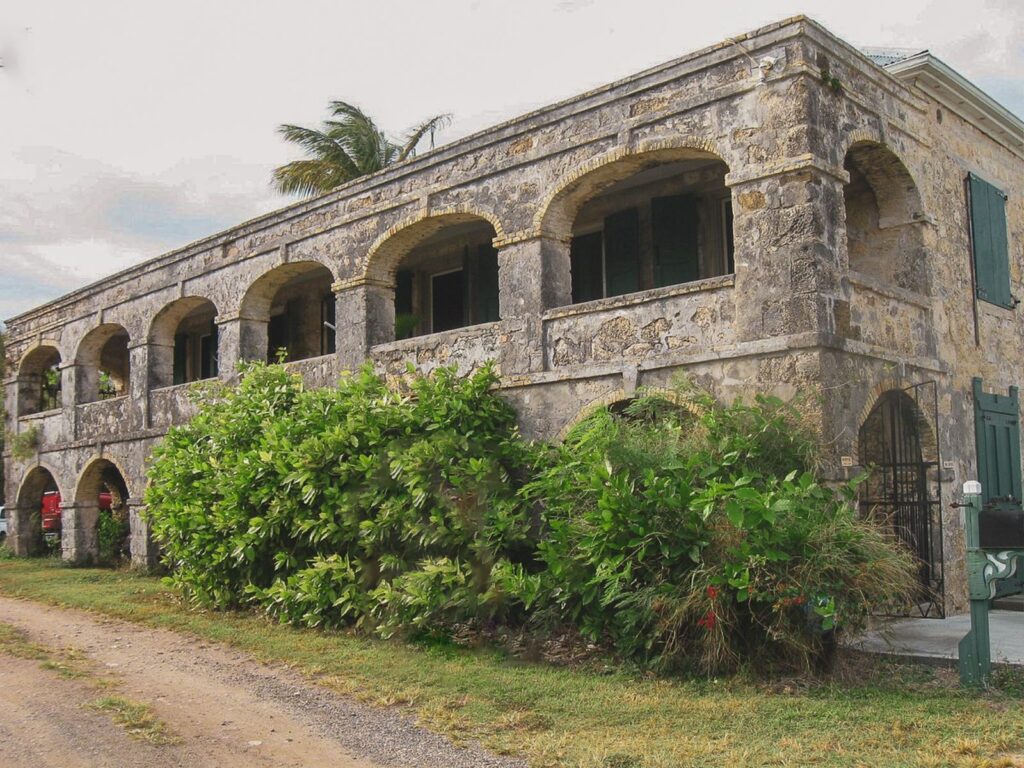
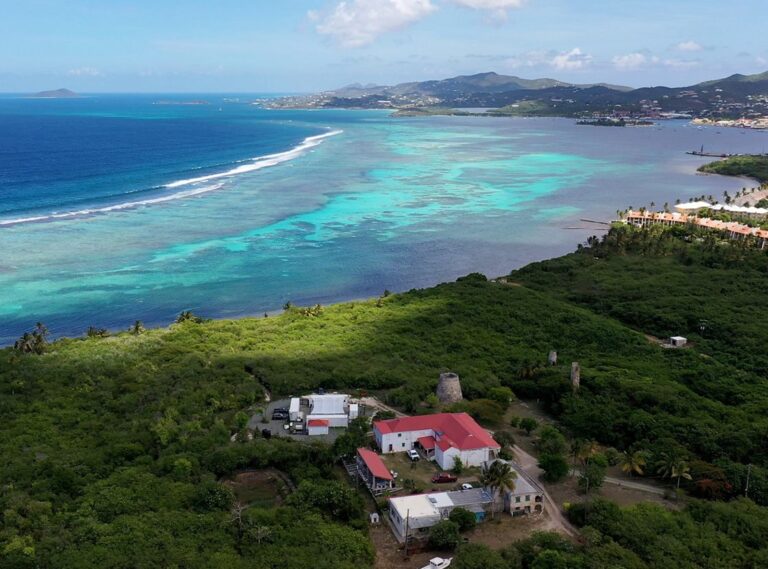
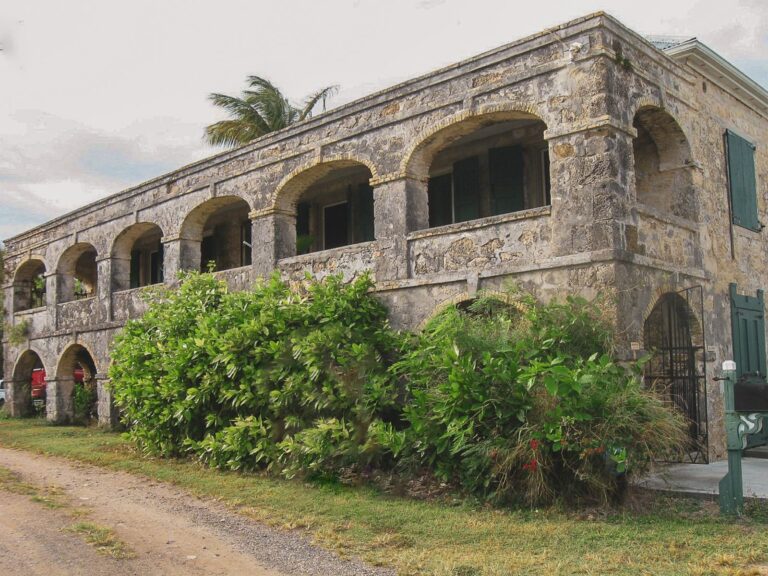
For more than thirty years, The Nature Conservancy (TNC) has protected the diverse flora and fauna of the 25 acre Estate Little Princess nature preserve, a national historic site. TNC is working to restore and transform the buildings on Estate Little Princess, constructed over 250 years ago when Estate Little Princess was established as a sugar and rum plantation by Danish colonizers. These included the Hospital Building and Great House, both of which represent unique Afro-Danish architecture.
Estate Little Princess History
Enslaved African descendants were the primary workforce and builders on Estate Little Princess until slavery was abolished on St. Croix, following a successful revolt by the enslaved on July 3, 1848. Over many decades, hundreds of enslaved Africans labored at Estate Little Princess—and before them, the Tainos and other Indigenous Peoples sustained these lands, which were later occupied by European colonizers. Limited artifacts remain to document the lives of Indigenous Peoples or the enslaved, but The Nature Conservancy and partners are committed to honoring those who lived and labored at Estate Little Princess. The Society of Black Archaeologists has played an enormous role in uncovering and telling their stories, and for that we are grateful.
Estate Little Princess Today
Estate Little Princess is now dedicated to protecting humanity and our natural world. It is TNC’s mission to use its buildings, which represent a hard and bleak history, to create a brighter future. Today, walking trails on the property wind through an array of ruins, lush plant life and wildflowers, with a path leading to a serene stretch of beach. TNC has re-vegetated the land with endemic plant and tree species to provide habitat for wildlife and consistent seed sources to foster diverse plant life and healthy ecosystems throughout the surrounding areas. Today, these grounds are also home to the Coral Innovation Hub, which is actively growing and planting coral around St. Croix.