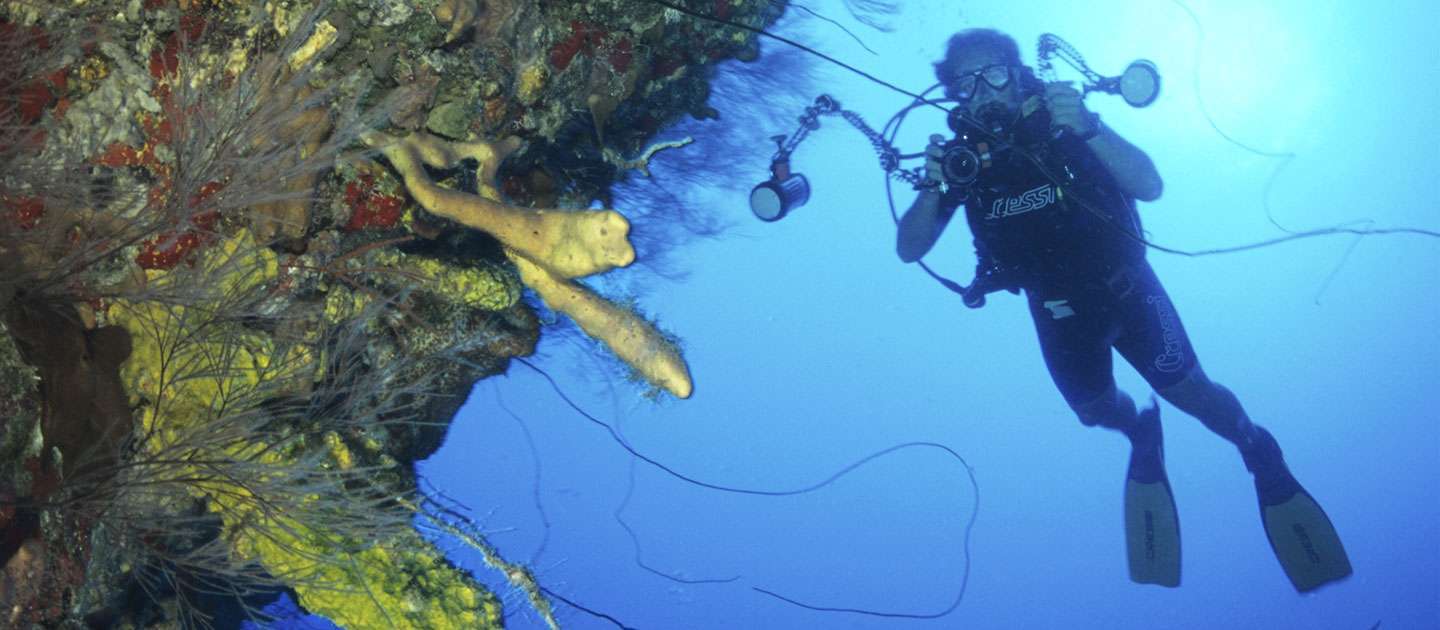
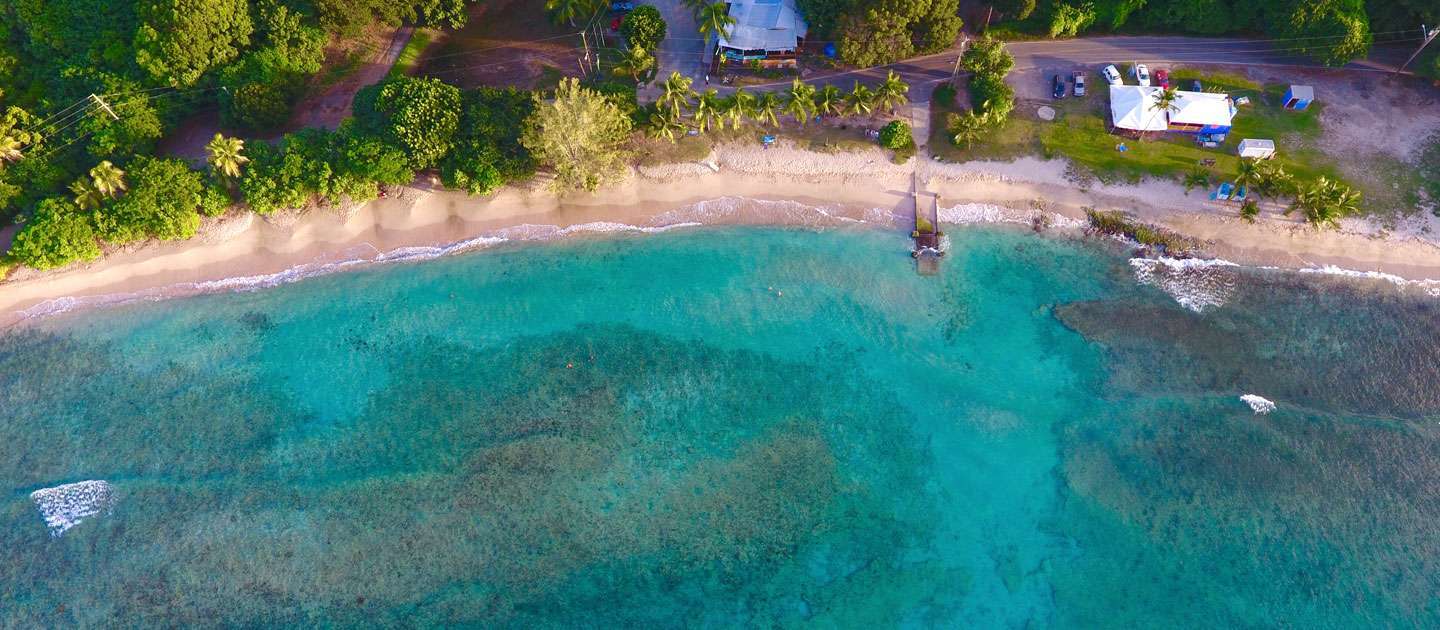
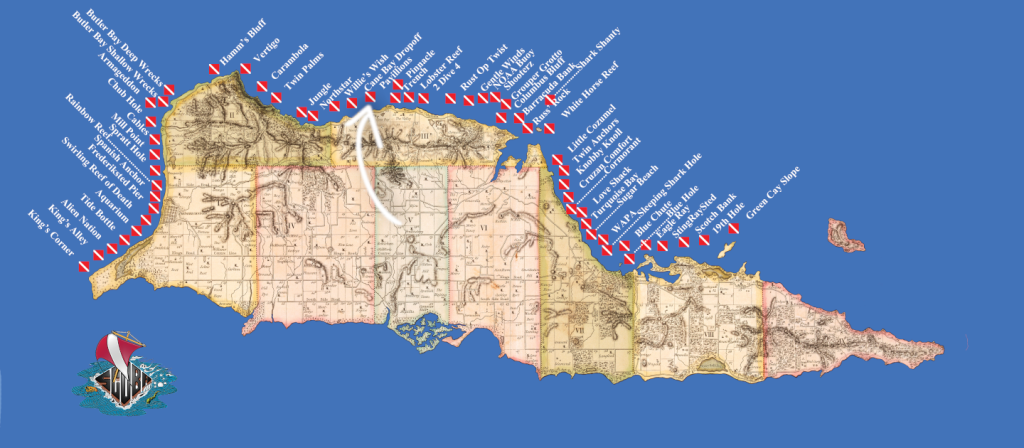
Rated as one of the top dive sites in the entire Caribbean, the Cane Bay Wall (also known as ‘Cane Bay Drop Off’ or ‘The Wall’) has something for every level of diver. About 100 yards from shore, and starting at a depth of 26 feet is the buoy to start your descent. Swimming north, sand chutes run between beautiful living coral gardens filled with soft and hard corals of every type. The Cane Bay Wall drops from 40 feet to over 3,200 feet. The site includes sheer vertical drops and slow sloping areas.
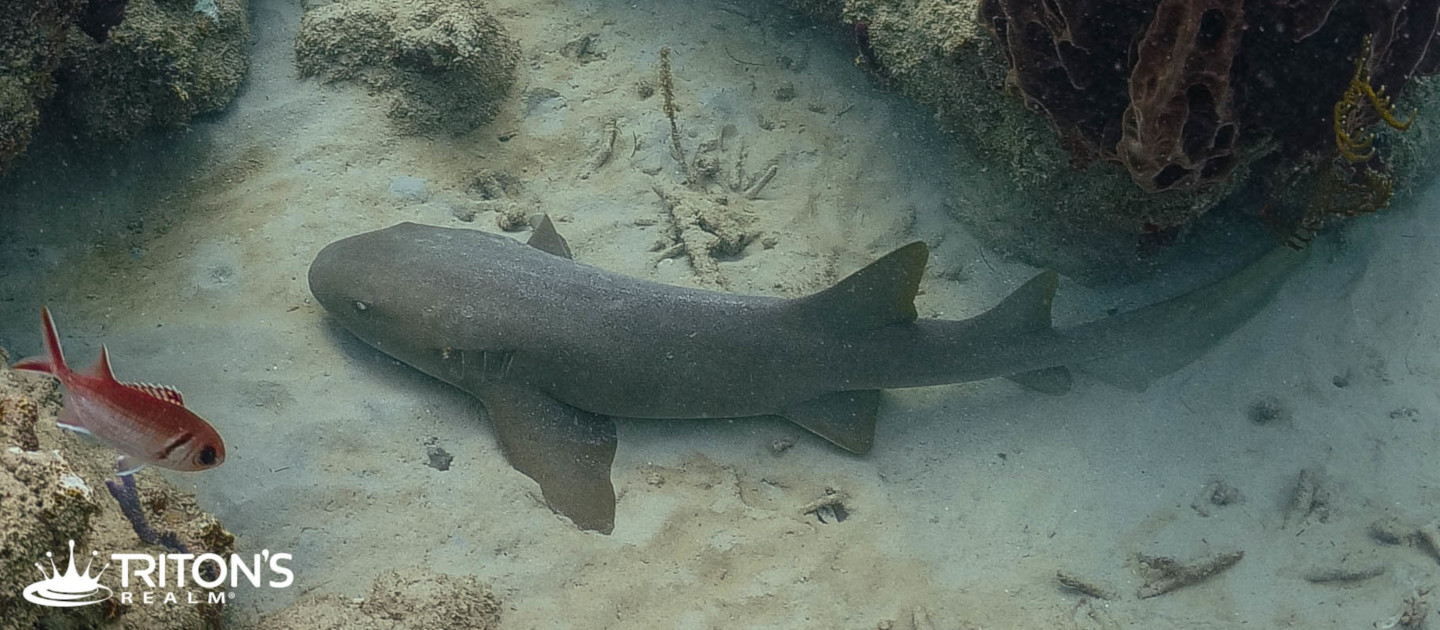
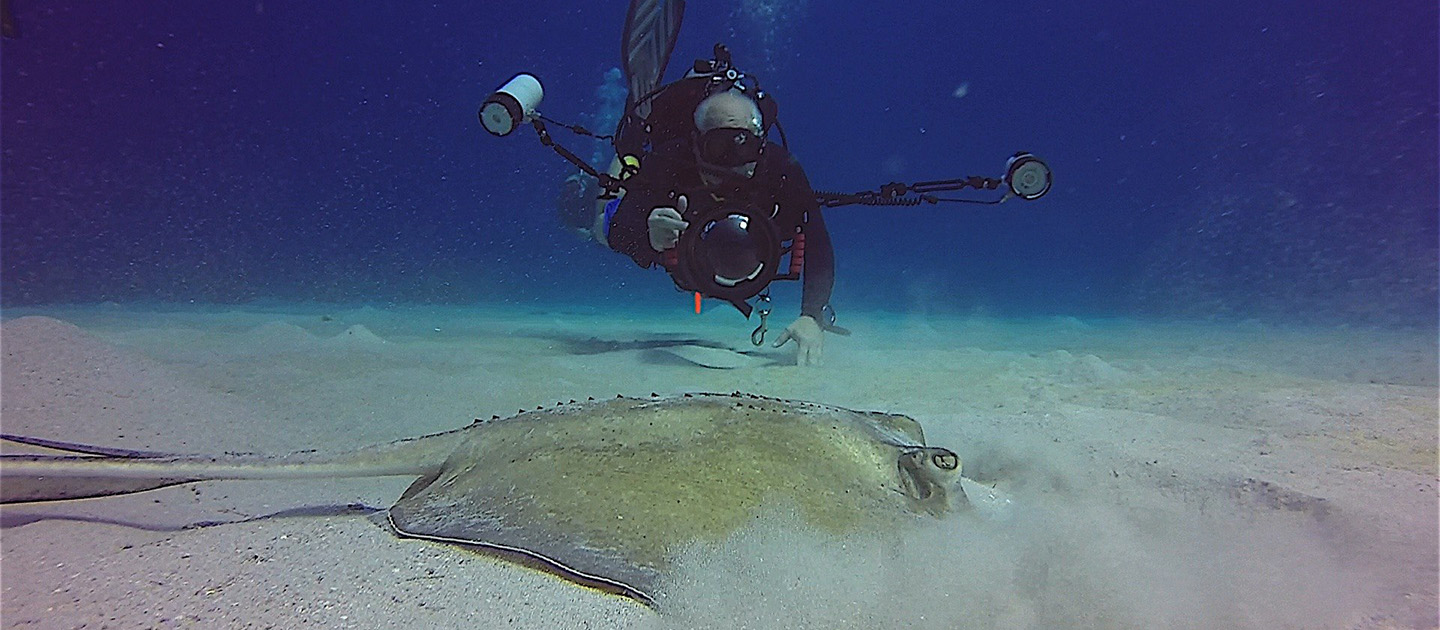
Nineteenth century anchors and large deep water sea life can be found along the wall. A night dive along the wall is an experience not soon forgotten and the photo opportunities are fantastic. You will likely see reef sharks, stingrays, sea turtles, barracuda, schools of triggerfish, parrot fish, angelfish, trumpetfish and blue tangs. Teeming with an abundance tropical fish and aquatic life, this site is truly a diver’s paradise.
GENERAL LOCATION
Offshore of Cane Bay Beach, located on North Shore Road (Route 80) between Christiansted and the Renaissance St. Croix Carambola Beach Resort & Spa.
ACCESS TO DIVE SITE
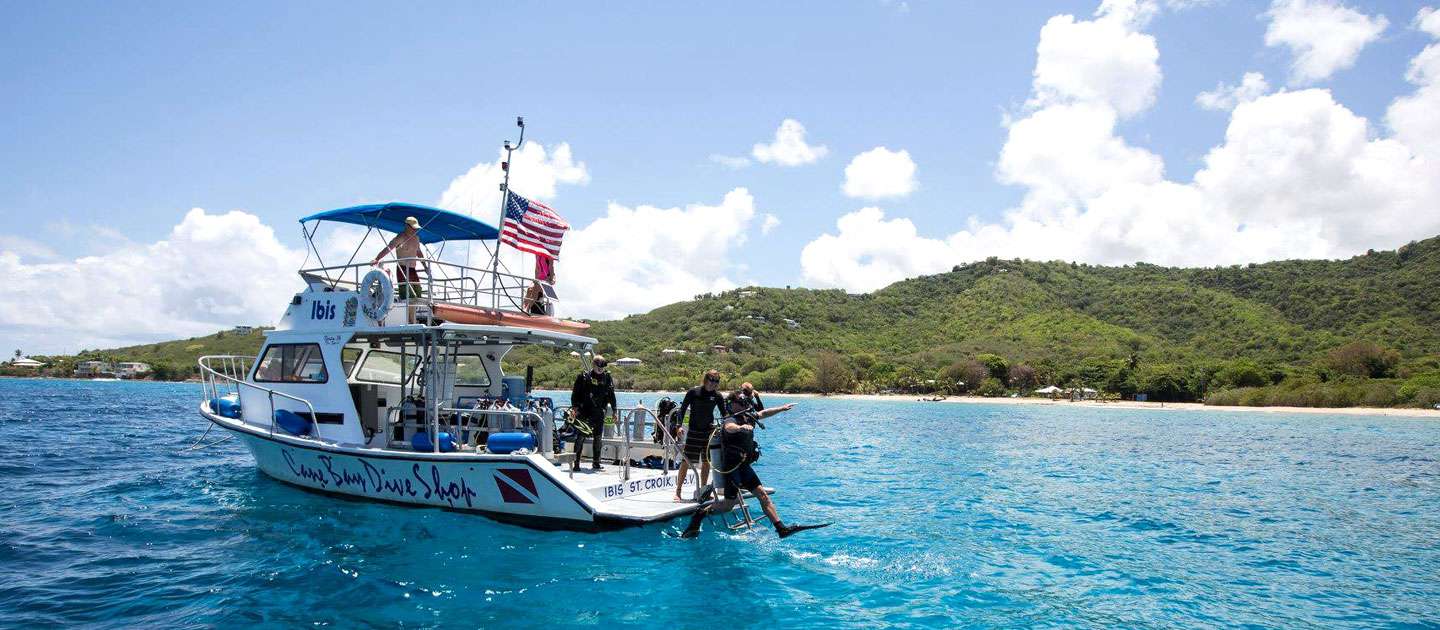
This dive site can be accessed by dive boat or by shore. If accessing this site by shore, you will get the most from your dive if you swim from the sandy area in front of the boat ramp on Cane Bay Beach. Swim all the way out to the white mooring buoy directly in front of the Cane Bay Beach sign. You can descend from the buoy down and then swim out through the sand chutes to drop off. Then go along the The Wall.
DEPTH AND TYPICAL CONDITIONS
Starting at 26 feet near the mooring buoy, dropping down to over 3,200 feet.
Some surge and surface swell, especially in the shallow areas on the swim out to the buoy. Visibility ranges from about 20 feet to 60 feet, depending on time of year and runoff from rainfall.
WHAT YOU’LL SEE
Nineteenth century anchors and large deep water sea life can be found along The Wall. The coral gardens are full of sea fans, soft and hard corals. Look closely in the shallower part of your dive for flamingo tongues, banded shrimp, nudibranchs, and the occasional octopus. You will also likely see reef sharks, stingrays, sea turtles, barracuda, schools of triggerfish, parrot fish, angelfish, trumpetfish and blue tangs. Occasionally, you may be greeted by dolphins as well.
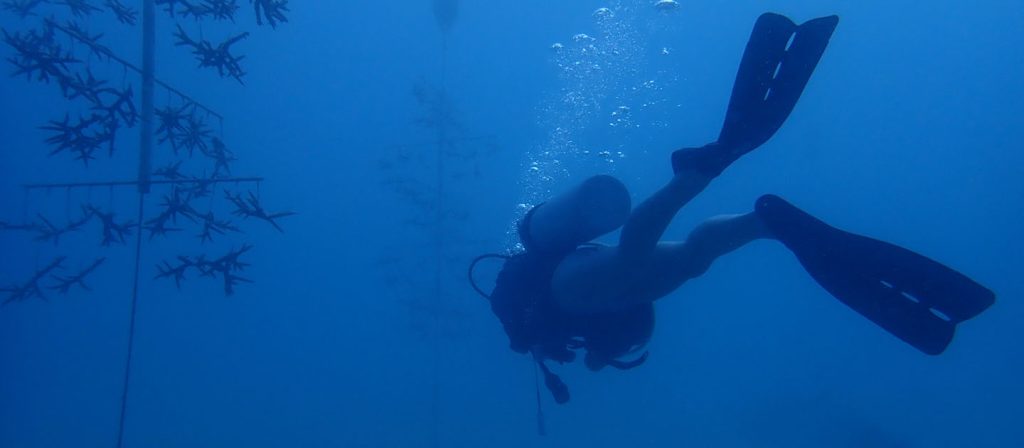
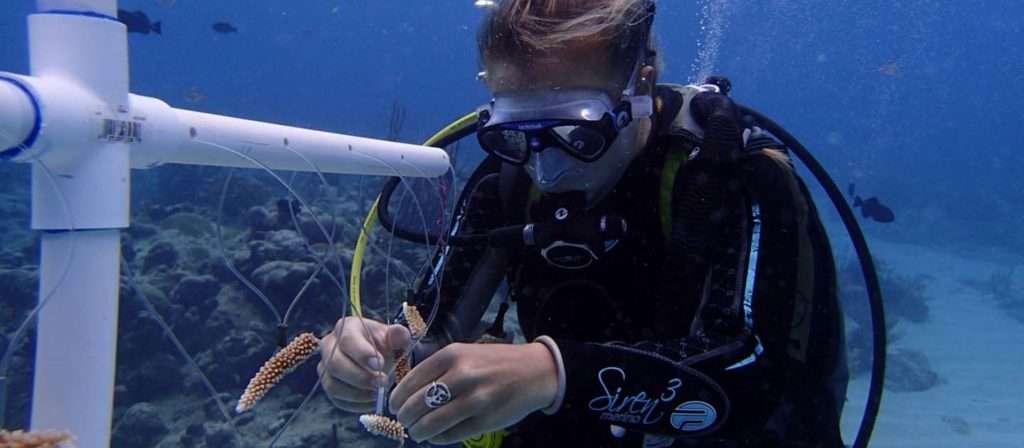
If you happen to be here between March and April, you may be lucky enough to see or hear the humpback whales as they migrate along the island in the Puerto Rico Trench. On rare occasions, there have even been sightings of a manta ray, hammerhead shark, or whale shark. Cane Bay is also home to The Nature Conservancy coral restoration garden. There, you may see the tree shaped structures with bits of elkhorn or staghorn coral that they are growing to plant on the reef.
NEARBY AMENITIES
Located across the street from Cane Bay is The Landing at Cane Bay vacation cottages, Cane Bay Campground, The Landing Beach Bar and restaurant, and Sweet Bottom Dive Center. It’s a great place to spend a day!