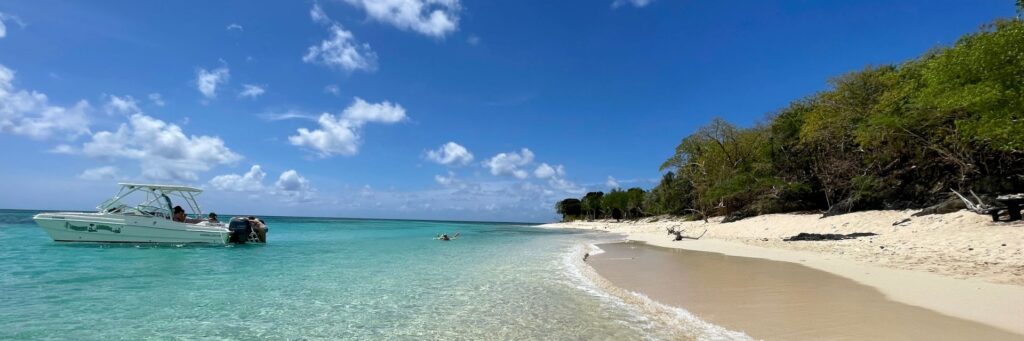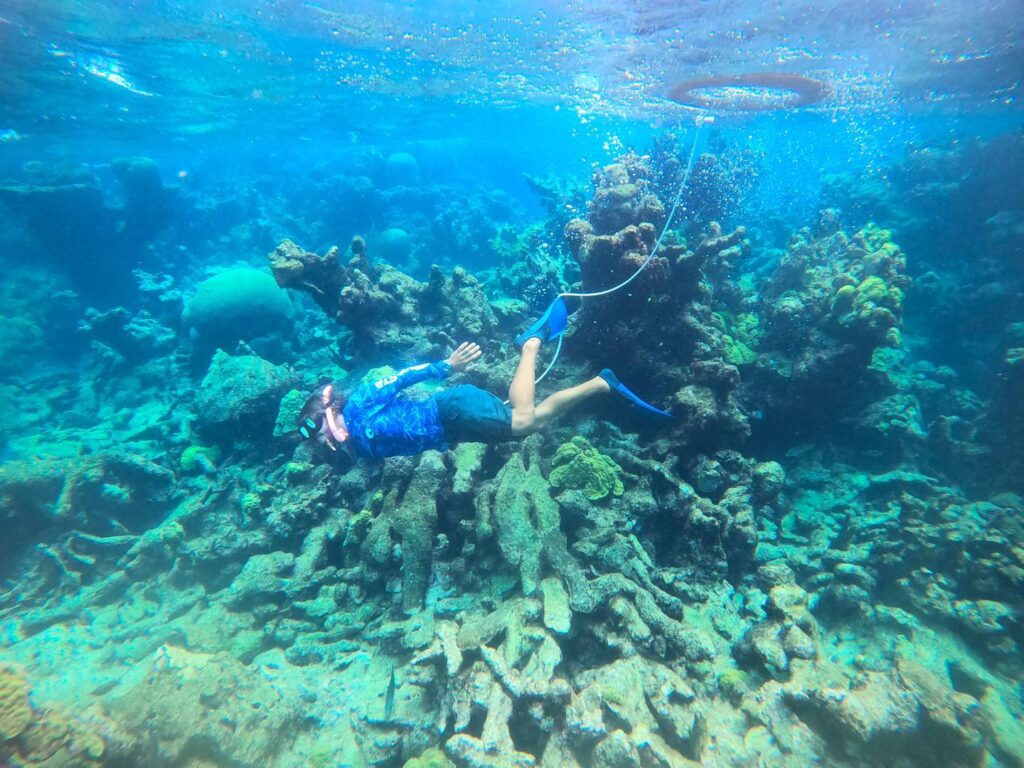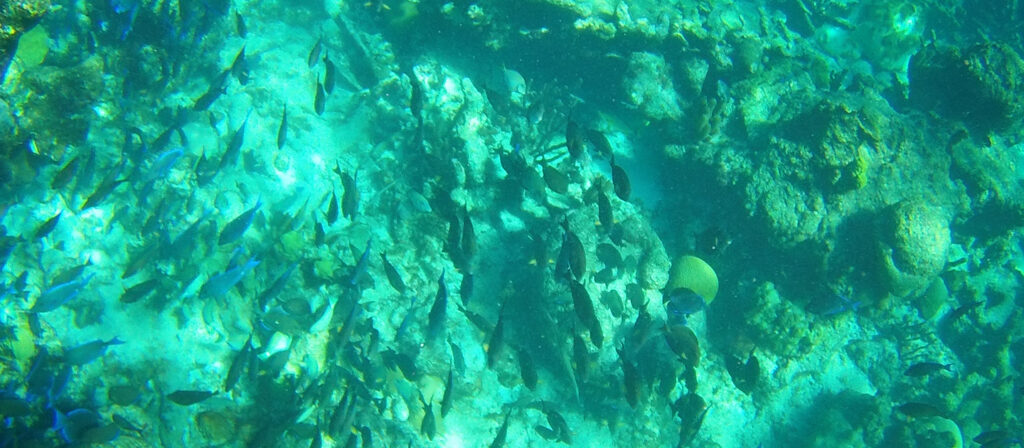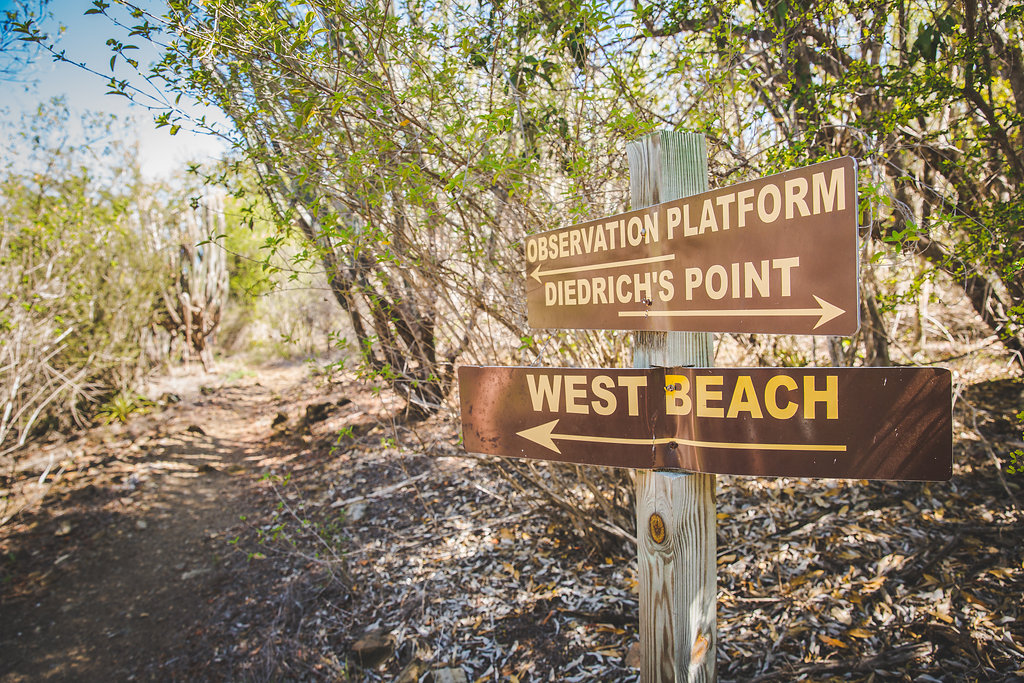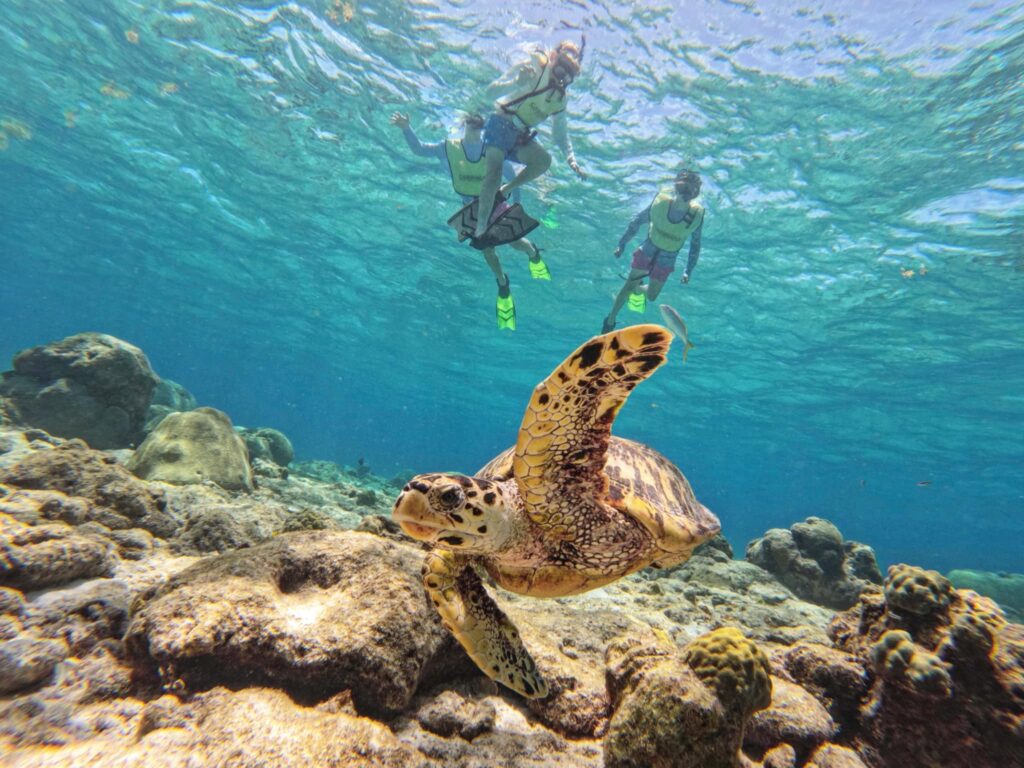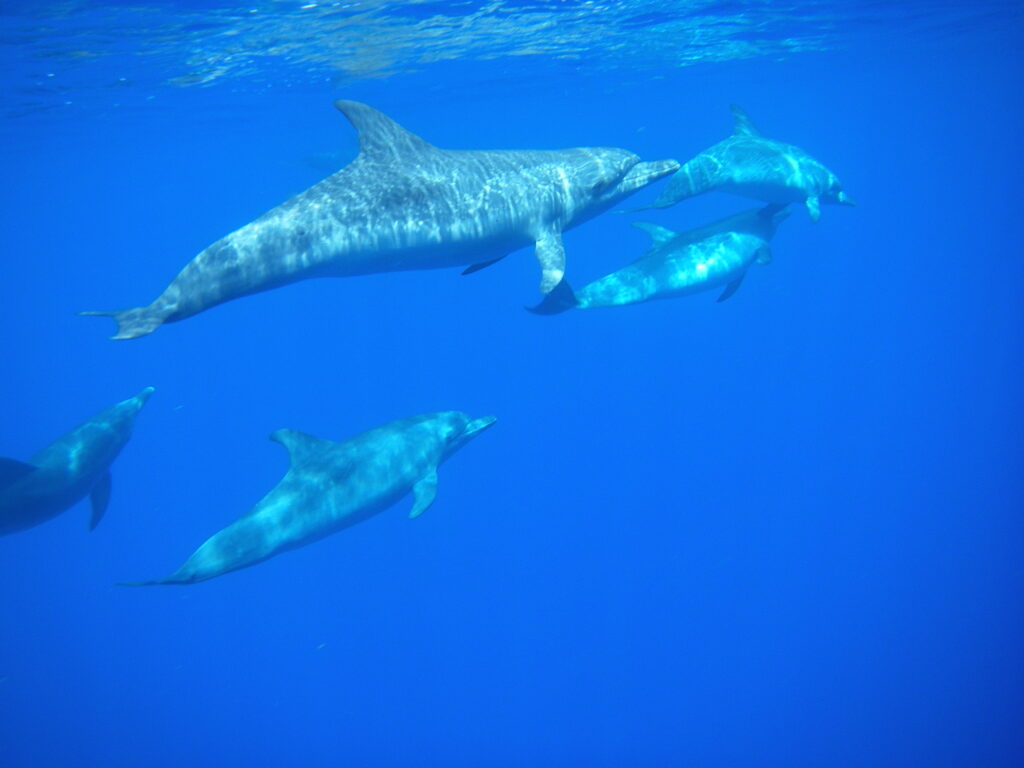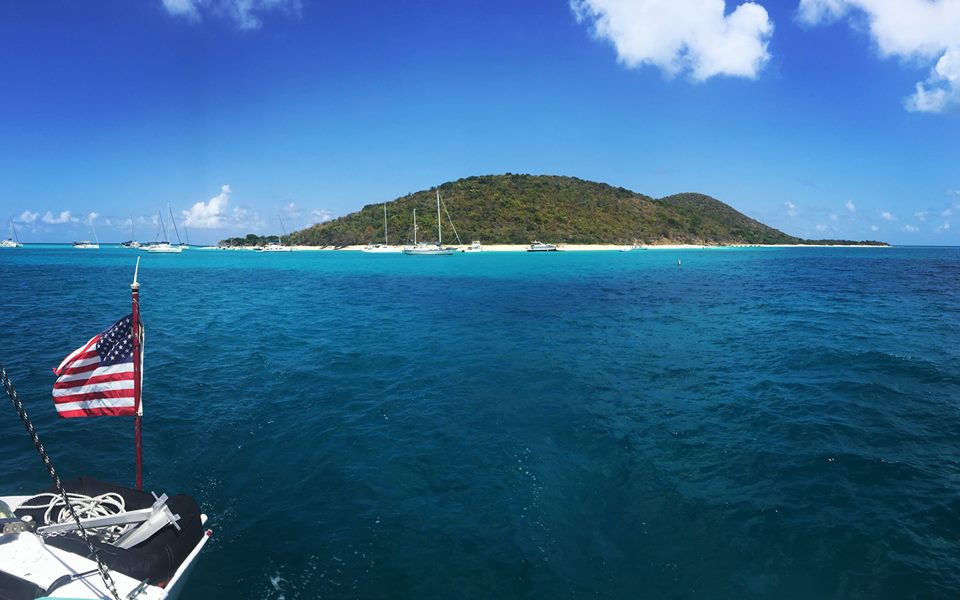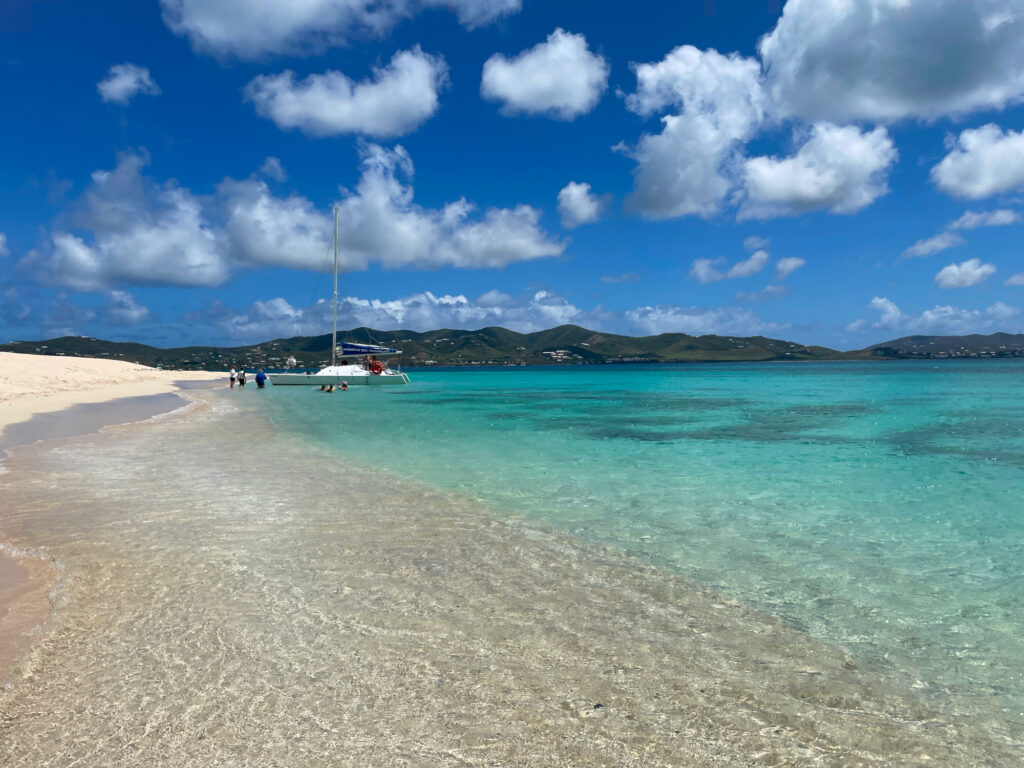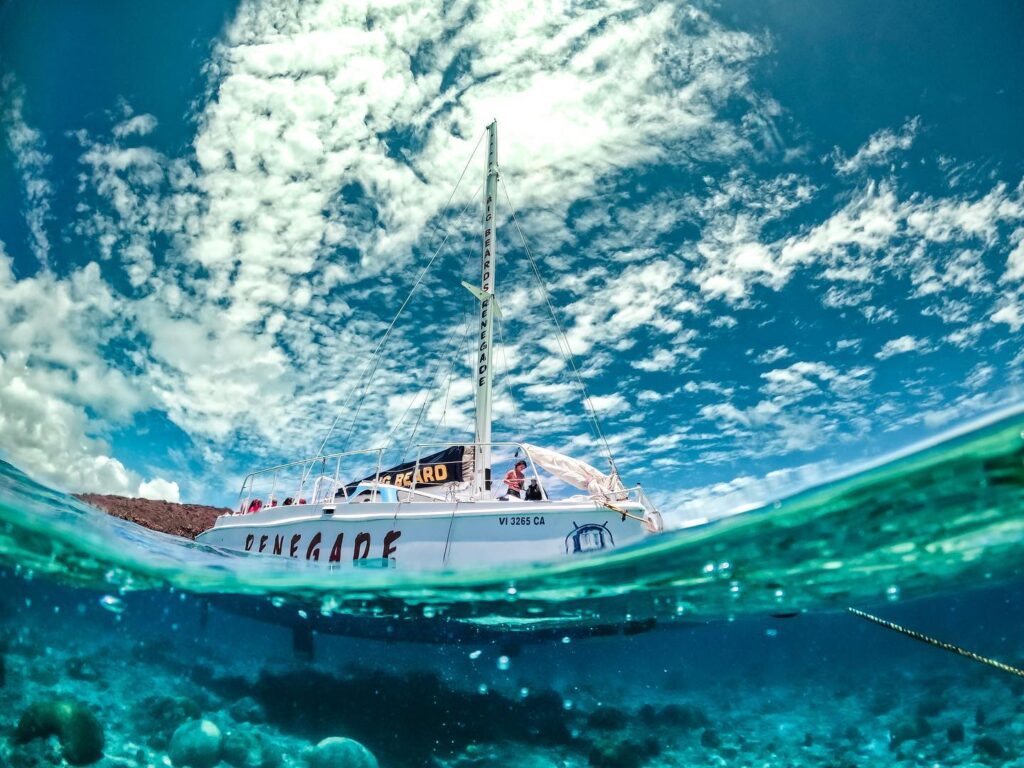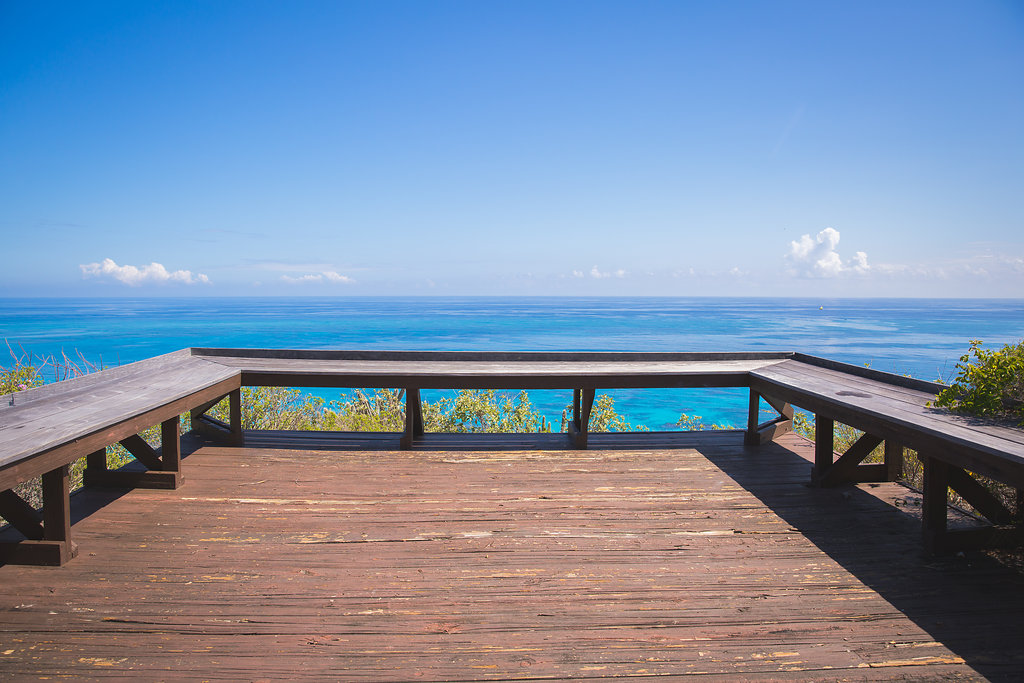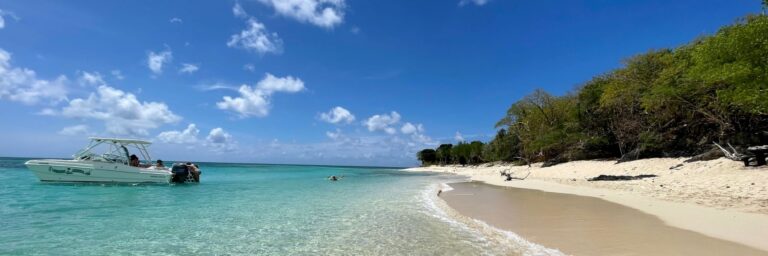
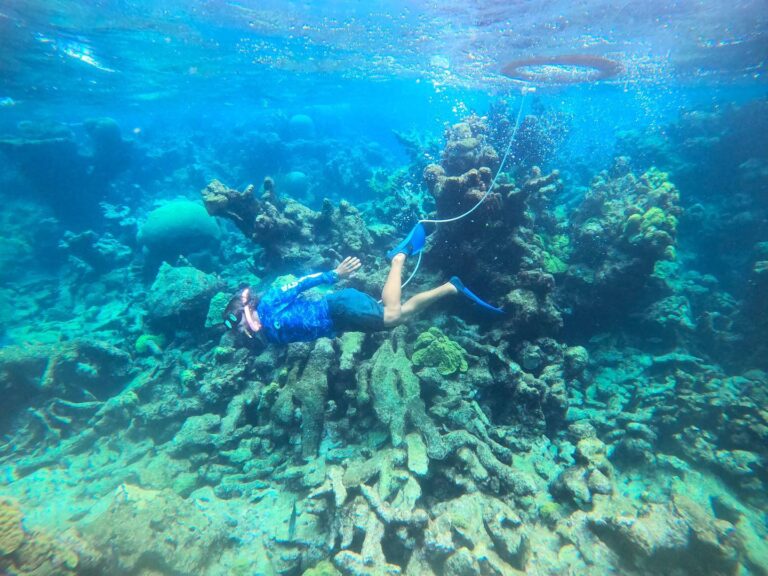
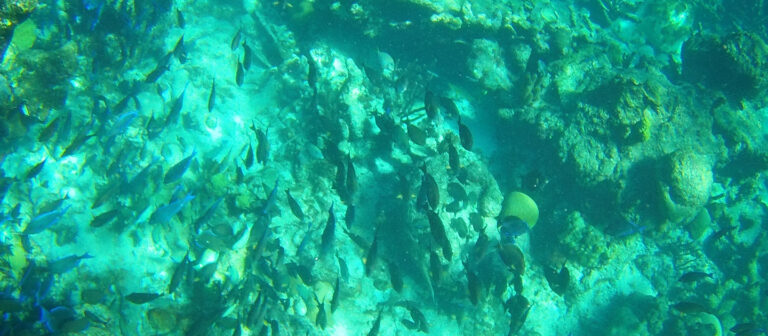
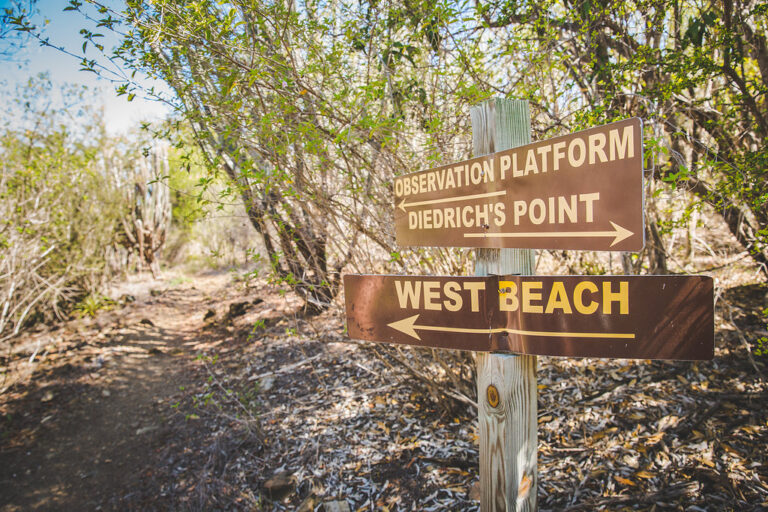
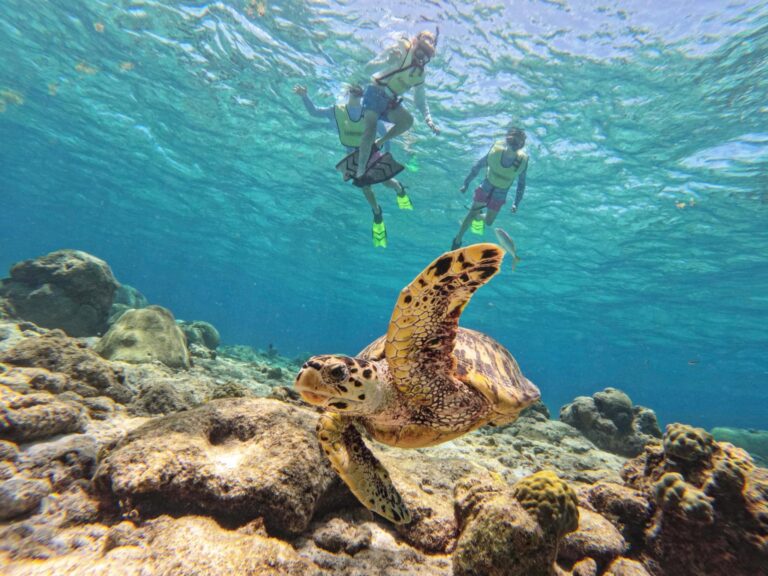
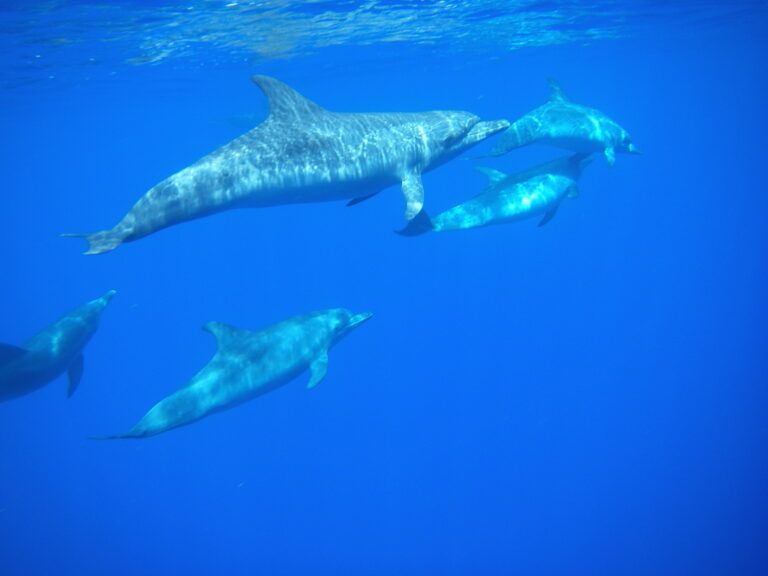
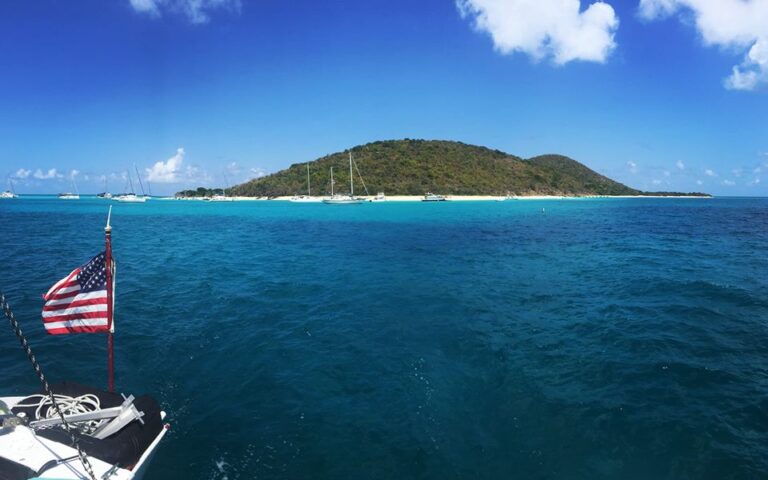
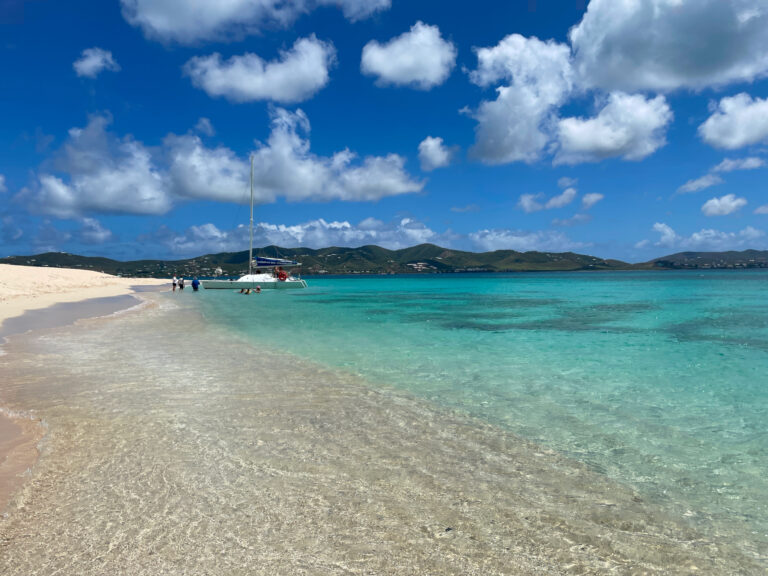
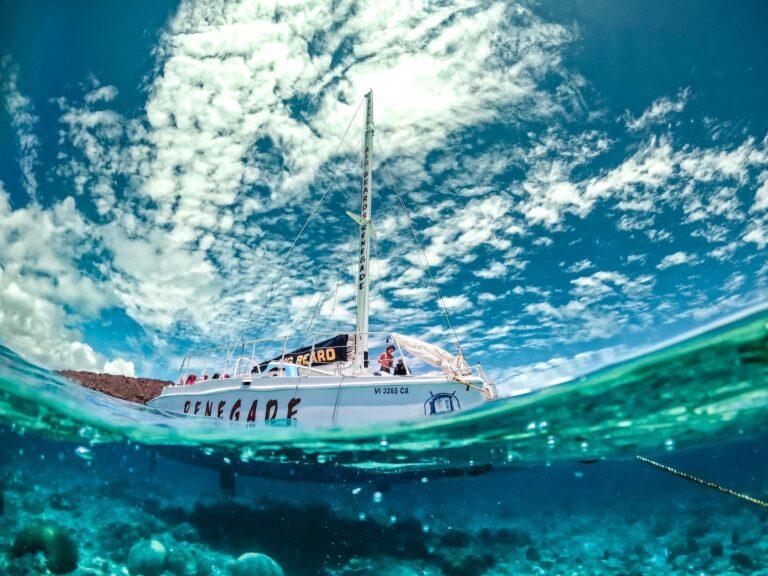
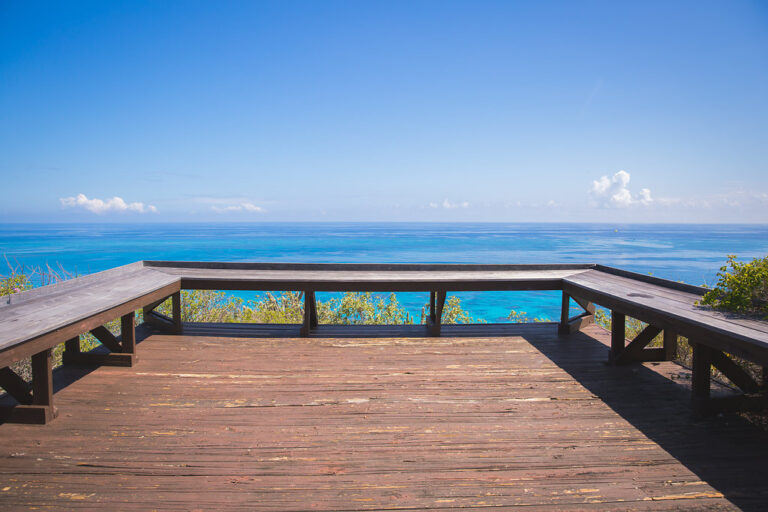
Buck Island Reef National Monument, an underwater National Park was established as a National Monument by a Presidential proclamation in 1961. Then it was expanded in 2001 to preserve “one of the finest marine gardens in the Caribbean Sea.” On Buck Island, hike along the nature trail to the highest peak for a breathtaking view. Prefer the beach? National Geographic voted Turtle Beach on Buck Island’s west end one of the “world’s most beautiful beaches.” Under water, treat your eyes to abundant native marine flora a fauna, vibrant coral reefs, playful fish, friendly rays and the occasional endangered hawksbill turtle. In addition, there is an “official” underwater snorkeling trail off the east end of the island. It is accessible mostly by snorkeling tours. Signs have been mounted underwater to indicate interesting structures, marine life habitats, etc.
Getting to Buck Island
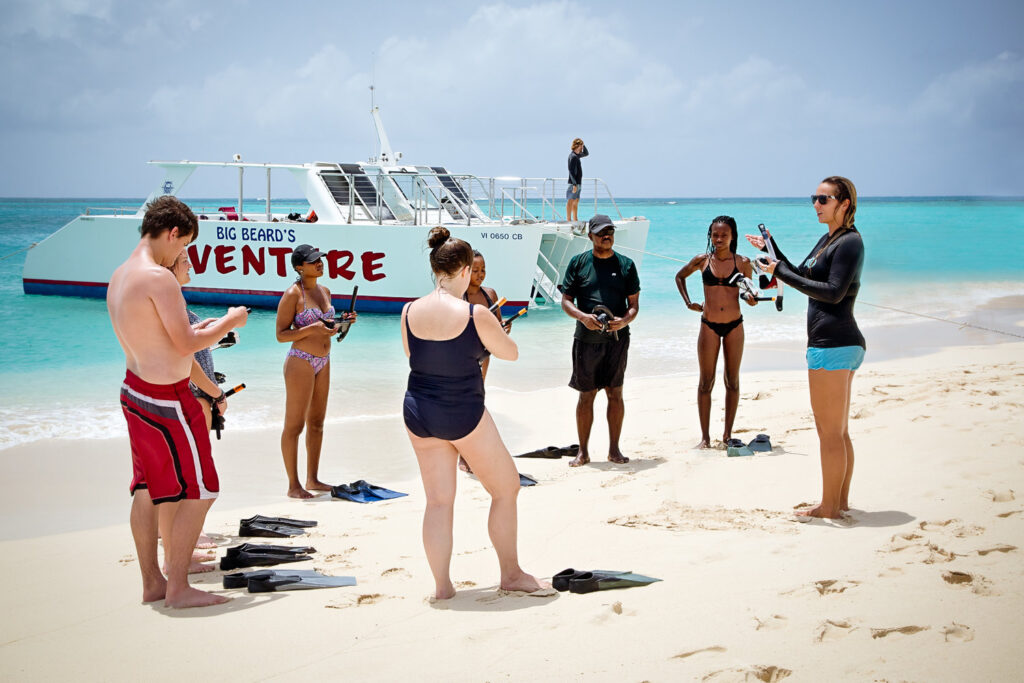
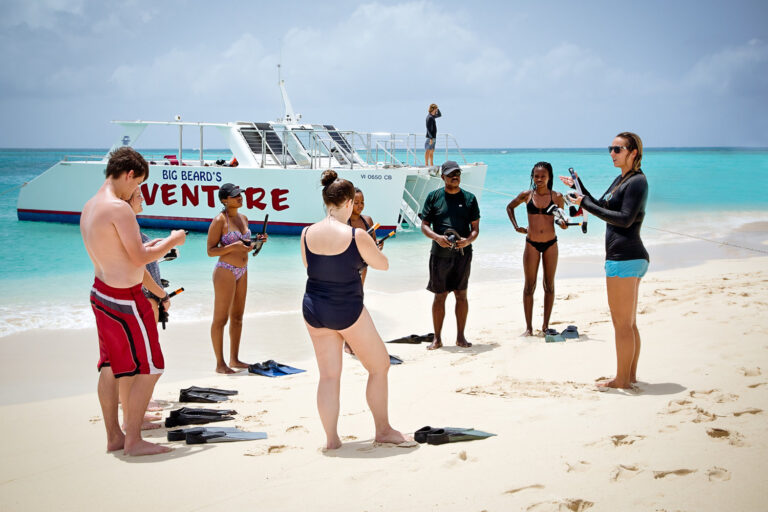
The island is accessible by boat only. There is no fee to access the island on a private boat, but an anchoring permit is required. Full and half day snorkeling excursions, as well as private charters to Buck Island, are available from several licensed concessionaires for the National Park Service. It is not recommended to hire a boat or captain that is not an official Buck Island operator.
Things To Do | Take a Trip to Buck Island
Establishment of Buck Island
John F. Kennedy established Buck Island Reef National Monument in 1961 by Presidential proclamation. In 2001, Bill Clinton expanded the Monument’s size by 18,135 acres. Of the 19,015 acres included in the marine park today, only 176 acres are the island itself. The protected surrounding waters contain a coral reef ecosystem including several endangered and threatened species. In an effort to preserve the park and its fragile ecosystem, the National Park Service (NPS) only allows licensed tour companies to bring visitors into the park.
History of Buck Island
According to the NPS: “People have come to Buck Island to enjoy the island’s beaches, waters, fish, and other wildlife, for nearly 2,000 years. By ca. A.D. 400, Amerindians living on St. Croix, who had arrived to the region via the Lesser Antilles and the Lower Orinoco River and Guyana coastal areas, began to visit Buck Island to fish, hunt lobsters and large land crabs, gather conch and possibly gathering sea turtle and bird eggs. Archeology has revealed that they camped in the beach forest, leaving behind pieces of pottery and their campfires, or hearths.”
In 1754, Johann Deidrich is the first person is listed as managing or owning Buck Island. Between 6 and 12 enslaved Africans lived on the island at any time during his tenure. Deidrich was the town clerk of Christiansted and ran the island until 1773. Reportedly, he built a house high on the island from which to view the shipping lanes.
In 1789, the Danish government built a signal station on the highest point of Buck Island. This station alerted the guards stationed at Fort Christiansvaern of arriving ships by raising a flag. Then, in 1822, Buck Island became a possession of the Danish Crown, through landskassen (the act by the land treasure to appropriate rural lands by the government for their protection). In the 1850s, the Danish landskassen of St. Croix were controlled by the colonial land treasury.