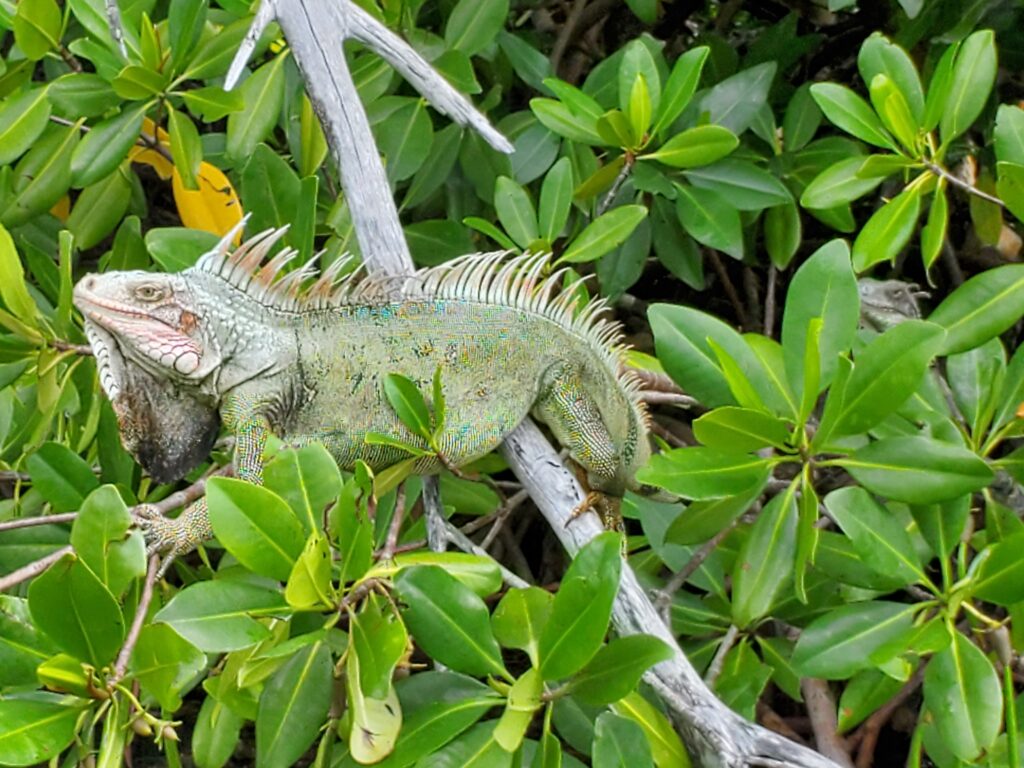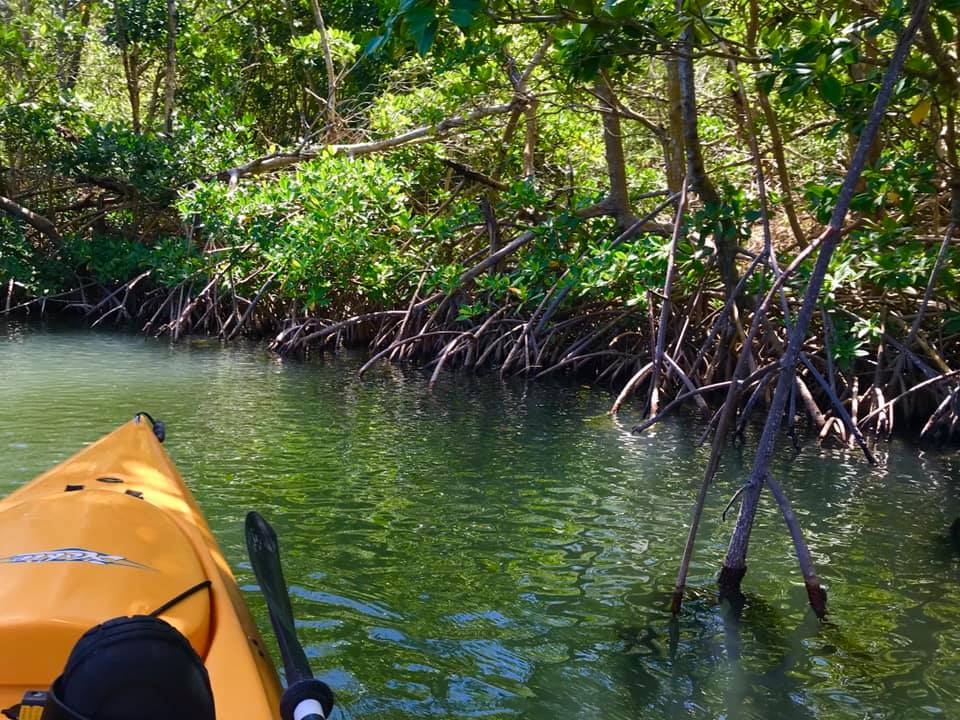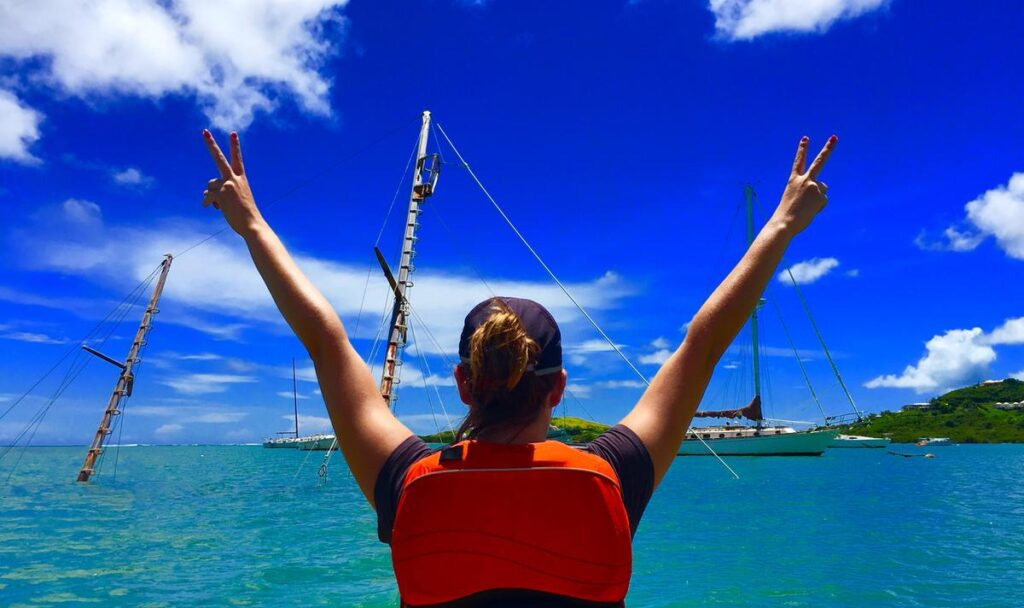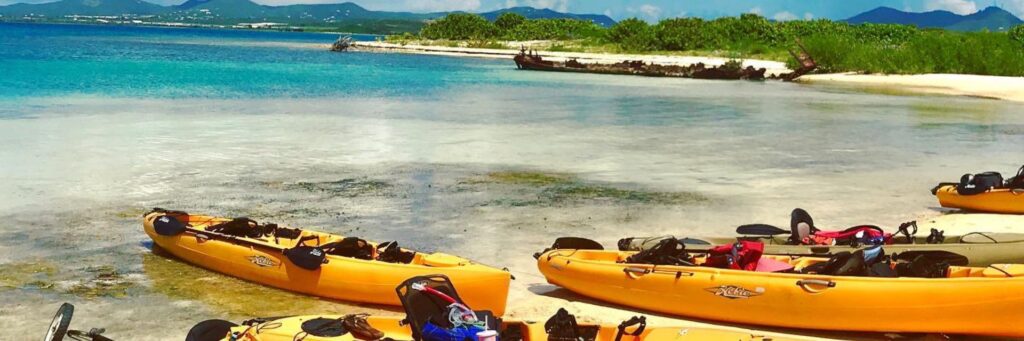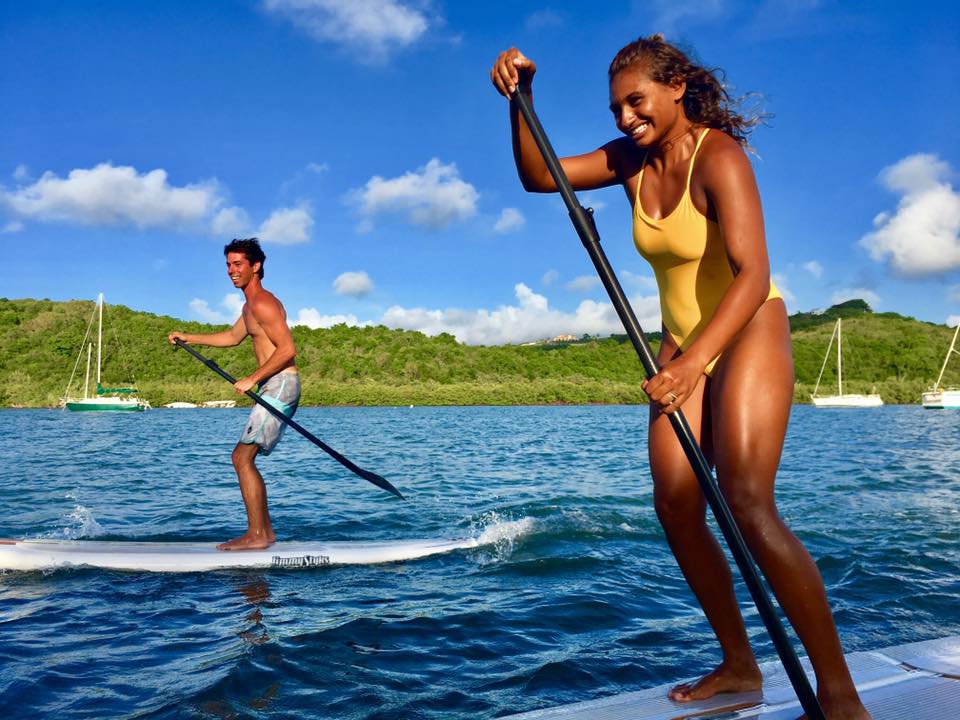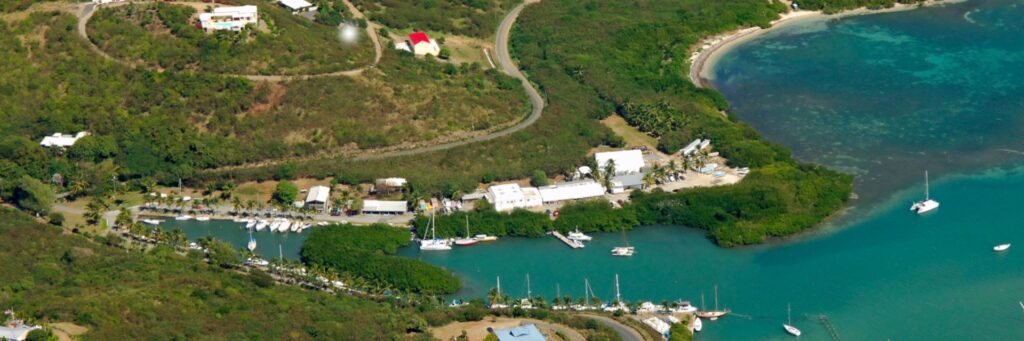
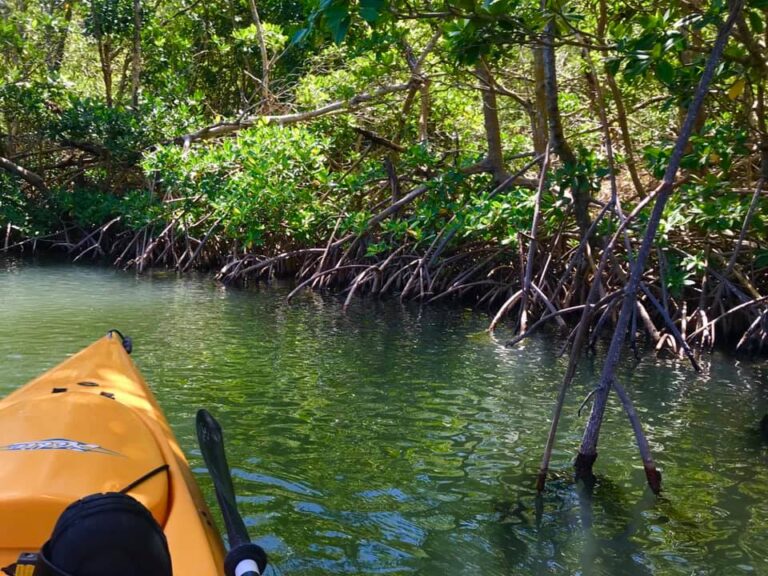

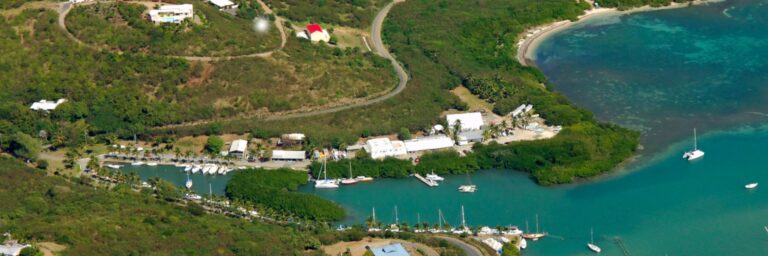
Salt River Bay National Historical Park and Ecological Preserve is a 1,015 acre park on the North Shore of St. Croix. Prehistoric and colonial-era archeological sites and ruins have been found here. In addition, the tropical ecosystem supports threatened and endangered species. Salt River Bay holds some of the largest mangrove forests in the Virgin Islands as well as coral reefs and a submarine canyon. Also, the Park has witnessed every major period of human habitation in the Virgin Islands.
In 1992, Congress created Salt River Bay National Historic Park and Ecological Preserve as part of the National Park System. The goal was to preserve, protect, and tell the story of its rich contributions to the nation’s natural and cultural heritage. The park is jointly managed by the National Park Service (NPS) and the Government of the United States Virgin Islands.
Salt River Bay History
According to the NPS: “Every major period of human habitation in the Virgin Islands is represented: several South American Indian cultures including the Taino and Island Caribs, the 1493 encounter with Columbus, Spanish capture and removal of the island’s Amerindian peoples, attempts at colonization by several European nations, and enslaved West Africans and their descendants.”
On Salt River Bay’s west shore, an already ancient Indian settlement became a major religious and cultural center for the Taino, who lived on St. Croix from about 700 to the late 1400s. A painting depicts their village and ball court (or batey) in the 1300s. Unearthed in 1923, this is the only such ball court known in the Lesser Antilles.
Columbus Landing
Salt River is also known as Columbus Landing. Christopher Columbus landed at this spot on his second voyage 1493 at the “Cape of Arrows”, on the east side of Salt River Bay, near Salt River Point. This is where the expedition skirmished with the Carib Amerindians in the first documented conflict between Europeans and Native Americans. Some believe that Columbus never set foot on land, sending out a search party to explore the new land. Either way, Salt River Bay is the only known place where members of Christopher Columbus’ expedition set foot on what is now United States territory.
Bioluminescent Bay
Salt River has one of only a few remaining bioluminescent bays in the world. These are a natural occurrence caused by a high concentration of bioluminescent micro-organisms called dinoflagellates. Depending on the night and location, there are actually three different types of bioluminescent organisms that may be seen in Salt River: dinoflagellates (the most common), glow worms and/or ctenophora (or comb jellyfish). At night, the dinoflagellates are often seen as tiny sparkles or as individual flashes of light as water is disturbed. Therefore, this is a popular spot for night time kayak tours with one of our St. Croix’s great tour operators. SEE : Things to Do : Salt River + Bio Bay Experiences
Undersea Canyon and Research
Just beyond the breaking waves Salt River Bay’s submarine canyon begins, dropping to 350 feet. Its steep, nearly vertical, walls were cut in 125,000-year-old Pleistocene (Glacial) Epoch limestone when the sea levels were much lower. As a result, the walls of the canyon are alive with corals, sea whips, and other marine life. This makes this one of St. Croix’s most unique dive sites.
Salt River Bay has seen extensive undersea scientific research because it combines coral reef, water clarity, and a submarine canyon. From 1978 to 1989, successive undersea habitats here housed researchers living at a depth of 50 feet for up to 30 days. You can now dive to one of the old hydro labs ere on St. Croix at Butler Bay! NASA used these undersea missions to test living conditions aboard space stations. In addition, aquanauts using the saturation diving method worked for hours underwater on studies ranging from animal behavior to geology.
National Park Service Information
Due to damage suffered from Hurricane Maria, followed by budgetary cuts to NPS, the Visitor Center at the Park is closed indefinitely. For information about Salt River Bay – its history and natural environment – please visit the Visitor Center at Fort Christiansvaern, Christiansted National Historic Site. For tours, please call the Interpretation Division at (340) 773-1460. Admission is free, but
Scuba Diving at Salt River
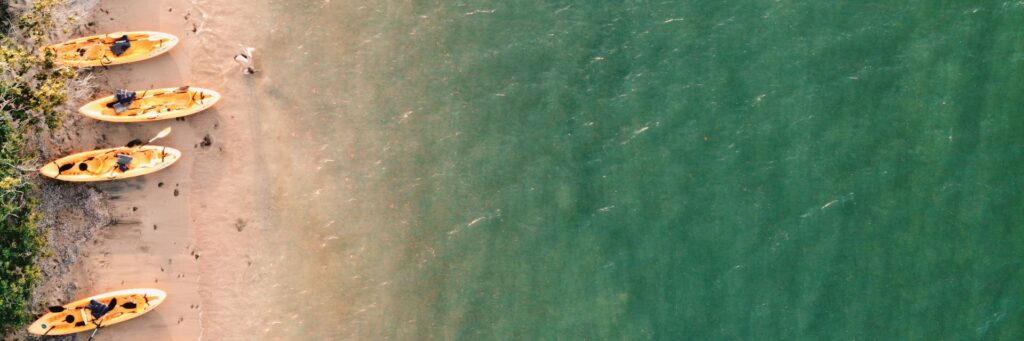
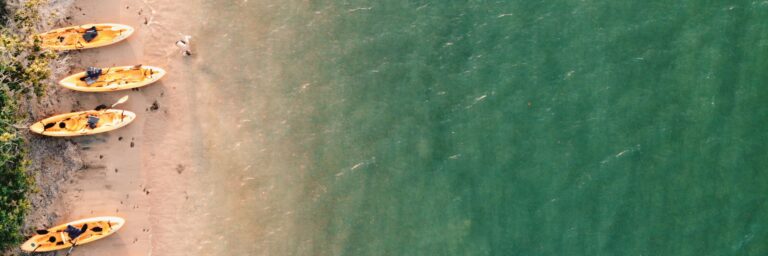
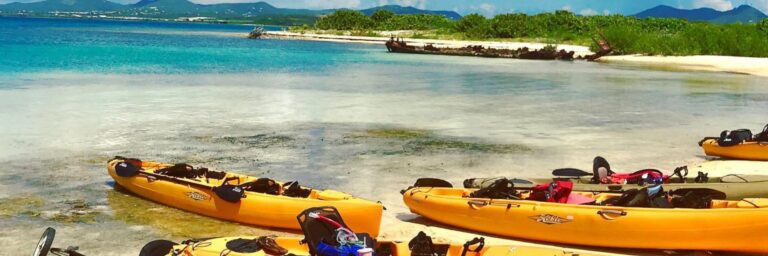
To fully experience Salt River, we recommend you sign up for the historical and ecological kayak tours. If you want to experience the canyons, check out our local dive shops who offer boat dives to both sites. SEE : Things to Do : Scuba Diving