Maroon Sanctuary Territorial Park
A long-time vision to honor the Maroons of St. Croix is now a reality. The U.S. Virgin Islands has secured 2,386 acres of forested and coastal land in the northwest of St. Croix, preserving it as the Maroon Sanctuary Territorial Park. This landmark achievement, championed for decades by Professor Olasee Davis, ensures the protection of sacred ground where history, culture, and nature converge.
The lands now included in the Maroon Sanctuary Territorial Park were once a vital refuge for the Maroons—enslaved people who escaped and found safety in these dense forests, steep ridges, cliffs, hidden caves, and mountains rising over 1,000 feet above sea level. Know as Maroon Country, this rugged land sheltered thousands of enslaved Africans who escaped plantations to seek freedom and build new lives. Their courage and determination are forever etched into the soul of these hills, cliffs, and coastal forests.

“The people who made Maroon Country their sanctuary and stood for freedom and human dignity have names and identities. They are part of the ancestral history of St. Croix and are connected to the people alive on St. Croix today.”
Olasee davis
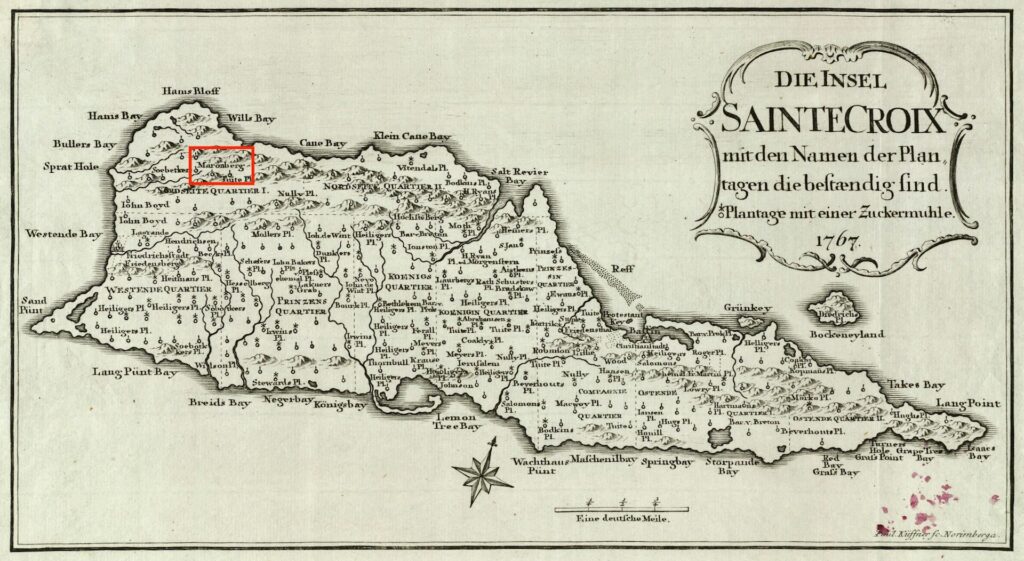
The northwest of St. Croix was known for its large Maroon community from 1650 through 1767, in fact the area was named Maronberg on a 1767 Danish map of St. Croix. The population census of 1791 shows 953 free Africans; 12,096 African slaves; and 1,385 runaways, for a total of 14,434 Africans on St. Croix. During this census period over 10 percent of all slaves had run away and were on their way to join the community at Maroon Ridge to escape on stolen vessels to nearby Puerto Rico or other Caribbean Islands. On St. Croix, as in other Caribbean islands, Maroons built independent communities that resisted colonial control. They settled in hard-to-reach areas, like the Maroon Ridge area, giving them safety and freedom. They grew their own food, hunted, and sometimes raided plantations for supplies. These Maroon communities sometimes worked with enslaved people from the surrounding plantations, offering support and shelter. Together, they played a key role in several uprisings on the island.
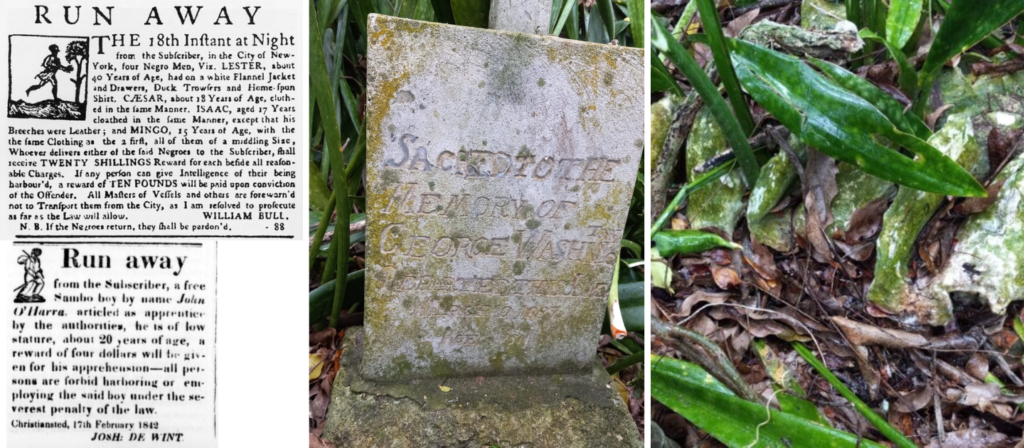
Working with the USVI Department of Planning & Natural Resources, community leaders, conservationists, activists, and groups like the Trust for Virgin Islands Lands, the Trust for Public Land helped protect this historic landscape. The funding to acquire Maroon Sanctuary Territorial Park is through the National Oceanic and Atmospheric Administration’s award to support the USVI’s workforce and resilience efforts. Once open, Maroon Sanctuary Territorial Park will become the largest territorial park in the USVI, covering nearly four percent of St. Croix. The park will provide unparalleled public access to both natural and cultural sites of great importance, and will honor the Maroons’ fight for freedom and safeguard their legacy, cemeteries and history for future generations.
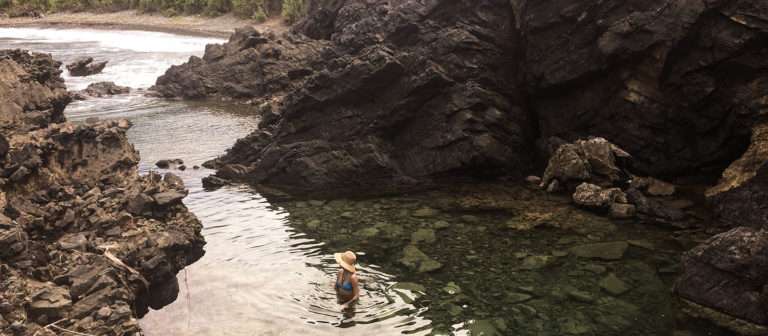
The park will also safeguard irreplaceable forest and coastal ecosystems from development, and protect water quality and shorelines. Along with preserving the popular Annaly Bay Tide Pools, the park will also safeguard the Cane Bay reef and other popular coral reef dive sites along St. Croix’s north shore from sediment and pollution. Most notably, the site will stand as a living tribute to the strength of Virgin Islands heritage, offering a place of reflection, education, and inspiration for generations to come.
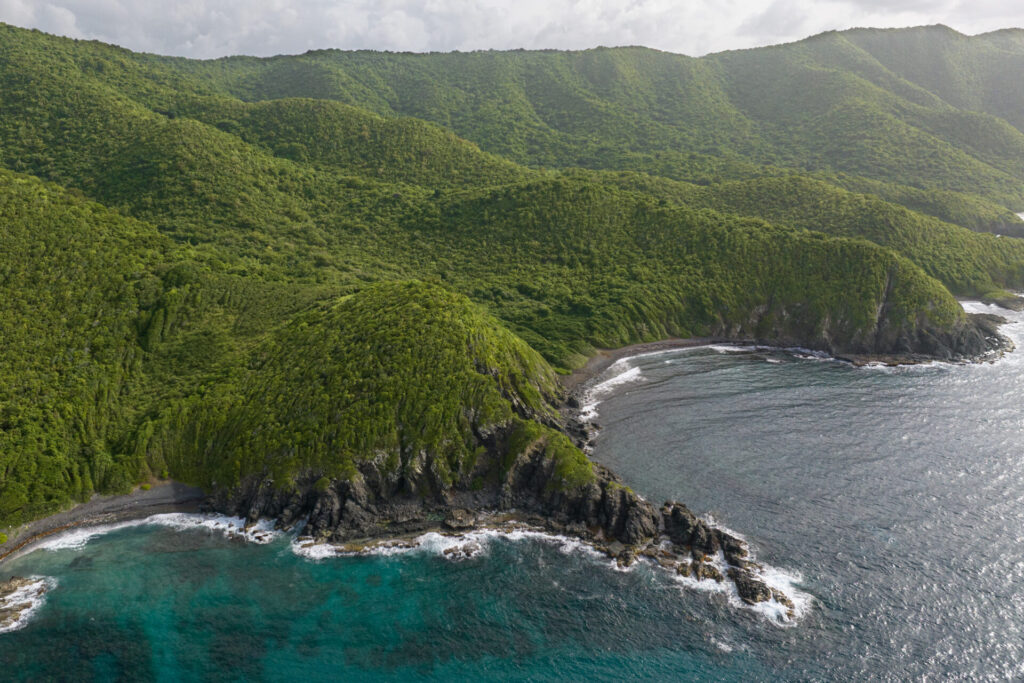
What has been a lifelong passion project for Olasee Davis has become the next chapter in preserving an important part of St. Croix’s history and heritage, as well as conserving the island’s largest intact forest and stunning natural landscape. We look forward to the discovery of more artifacts and historic sites in the new U.S. Virgin Islands Maroon Territorial Park, and the educational tours that will share the Maroons’ story with future generations.
Ham’s Bay and Maroon Ridge are accessible only by foot. The St. Croix Hiking Association leads regularly scheduled hikes to the area, which are open to the public for a small fee of $10pp ($5 for members). You can also volunteer to help maintain the Maroon Ridge trails.
-Jennie Ogden, Editor